
Transition Licensing to the Microsoft Cloud
The cloud is coming – be prepared with a proactive strategy.
- There are many different ways to license, purchase, and deploy cloud products, making it challenging to know how to maximize the benefits for your organization.
- Despite obvious advantages, there are many reasons why the cloud may not be a good choice for your organization at this point.
- Microsoft – as well as your business leaders – are pushing the cloud. Don’t rush into a cloud transition without planning carefully.
Our Advice
Critical Insight
- Document your position on the cloud – whether that means transitioning or not, make sure you can justify your position to the organization.
- Once you’ve committed to the cloud, it’s difficult to go back to on-premise licensing. Be certain the cloud is a good fit before executing.
- Most organizations are still at a stage where they can keep their on-premise licensing. This will likely change over the next couple of years – the cloud is imminent, if not inevitable. If the cloud doesn’t make sense now, start thinking about how you might make it work in the future.
Impact and Result
- Make sure you understand what your organization needs and why, before you commit to moving to the cloud.
- Complete cost calculations carefully as the cloud might end up costing significantly more. It could also end up costing around the same amount, making it an efficient option.
- If there are significant barriers to cloud adoption, discuss and document them. You’ll need this documentation in three years when it’s time to renew your agreement.
Member Testimonials
After each Info-Tech experience, we ask our members to quantify the real-time savings, monetary impact, and project improvements our research helped them achieve. See our top member experiences for this blueprint and what our clients have to say.
Client
Experience
Impact
$ Saved
Days Saved
Northwest Bank
Guided Implementation
6/10
N/A
N/A
Getting a head start on late year negotiations. What to watch for, what could be possibly be done early (co-terming other relationships etc.).

About Info-Tech
Info-Tech Research Group is the world’s fastest-growing information technology research and advisory company, proudly serving over 30,000 IT professionals.
We produce unbiased and highly relevant research to help CIOs and IT leaders make strategic, timely, and well-informed decisions. We partner closely with IT teams to provide everything they need, from actionable tools to analyst guidance, ensuring they deliver measurable results for their organizations.
What Is a Blueprint?
A blueprint is designed to be a roadmap, containing a methodology and the tools and templates you need to solve your IT problems.
Each blueprint can be accompanied by a Guided Implementation that provides you access to our world-class analysts to help you get through the project.
Contributors
- Filip Lauwereys, ASIST
- Josef Hans Lara, Licensing Guru at Big Bang Innovation Services Inc.
- Paul DeGroot, Principal Consultant at Pica Communications
- Karl O’Doherty, CEO at SAM360
- 4 anonymous contributors
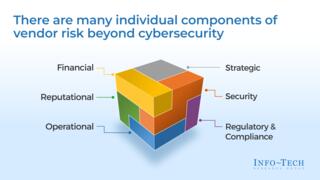 Looking at Risk in a New Light: The Six Pillars of Vendor Risk Management
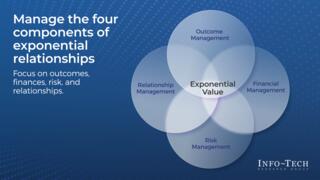 Manage Exponential Value Relationships
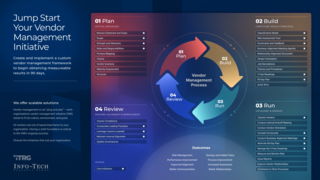 Jump Start Your Vendor Management Initiative
 Capture and Market the ROI of Your VMO
 Cut Cost Through Effective IT Category Planning
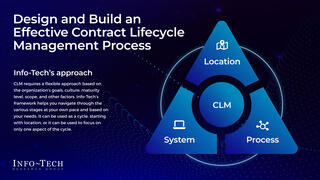 Design and Build an Effective Contract Lifecycle Management Process
 Maximize Value From Your Value-Added Reseller (VAR)
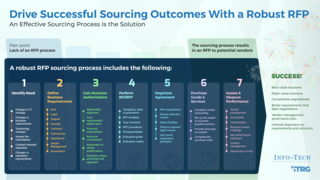 Drive Successful Sourcing Outcomes With a Robust RFP Process
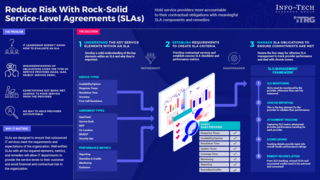 Reduce Risk With Rock-Solid Service-Level Agreements
 Slash Spending by Optimizing Your Software Maintenance and Support
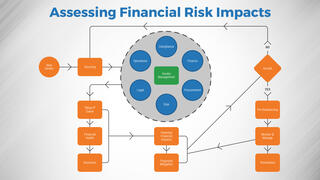 Identify and Manage Financial Risk Impacts on Your Organization
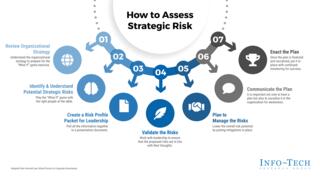 Identify and Manage Strategic Risk Impacts on Your Organization
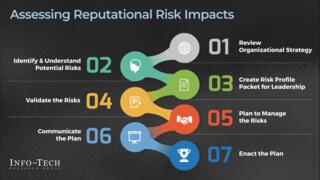 Identify and Manage Reputational Risk Impacts on Your Organization
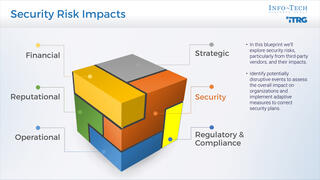 Identify and Manage Security Risk Impacts on Your Organization
 Evaluate Your Vendor Account Team to Optimize Vendor Relations
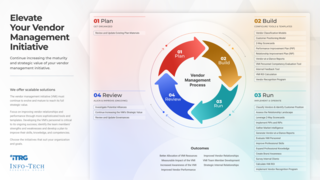 Elevate Your Vendor Management Initiative
 Prepare for Negotiations More Effectively
 Implement Your Negotiation Strategy More Effectively
 Evaluate and Learn From Your Negotiation Sessions More Effectively
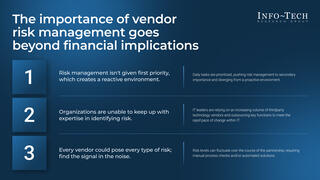 Proactively Identify and Mitigate Vendor Risk
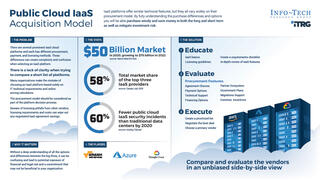 Master the Public Cloud IaaS Acquisition Models
 Essentials of Vendor Management for Small Business
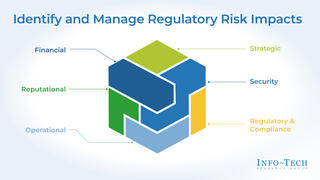 Identify and Manage Regulatory and Compliance Risk Impacts on Your Organization
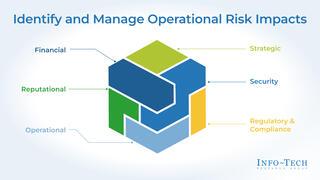 Identify and Manage Operational Risk Impacts on Your Organization
 Don’t Allow Software Licensing to Derail Your M&A
 Identify and Reduce Agile Contract Risk
 Improve Your Statements of Work to Hold Your Vendors Accountable
 Understand Common IT Contract Provisions to Negotiate More Effectively
 Master Contract Review and Negotiation for Software Agreements
 Master the MSA for Your Managed Services Providers
 Negotiate SaaS Agreements That Are Built to Last
 Establish a Vendor Management Roadmap to Succeed With Autonomous Technologies
 Price Benchmarking & Negotiation
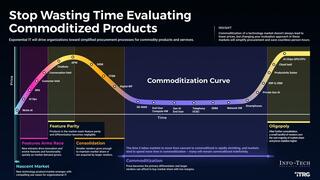 Stop Wasting Time Evaluating Commoditized Products and Services
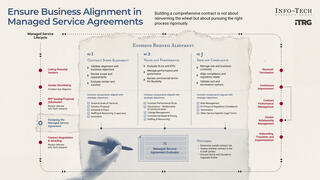 Ensure Business Alignment in Managed Service Agreements
 Comparing Software Practices in Maturing IT
 Run IT By the Numbers
 Transform IT, Transform Everything
 The Race to Develop Talent
 Building Info-Tech’s Chatbot
 Assessing the AI Ecosystem
 Sync or Sink: Aligning IT and HR for the Future of Work
 Building the Road to Governing Digital Intelligence
 Bring AI Out of the Shadows
 The AI Vendor Landscape in IT
 IT Spend and Staffing Benchmarking
 An Operational Framework for Rolling Out AI
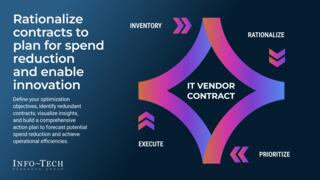 Optimize IT Vendor Contracts in Times of Uncertainty
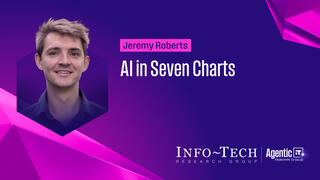 AI in Seven Charts
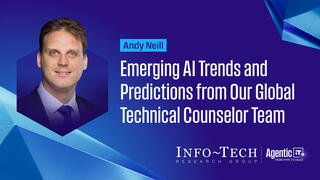 Emerging AI Trends and Predictions From Our Global Technical Counselor Team
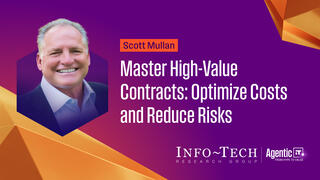 Master High-Value Contracts: Optimize Costs and Reduce Risks Keynote
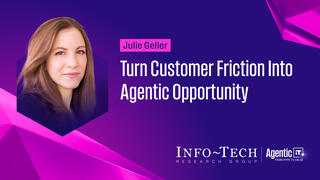 Turn Customer Friction Into Agentic Opportunity
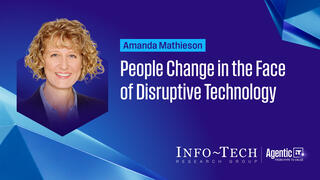 People Change in the Face of Disruptive Technology
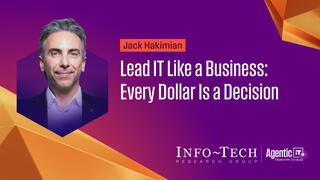 Lead IT Like a Business: Every Dollar Is a Decision
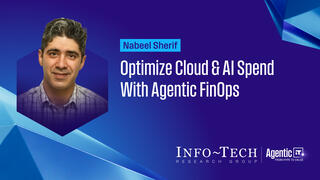 Optimize Cloud & AI Spend With Agentic FinOps
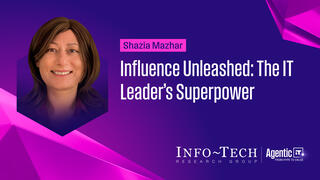 Influence Unleashed: The IT Leader’s Superpower
 The Challenge of Ethics in the Use of AI
 Revolutionize Risk Management With Agentic AI
 Introducing the Info-Tech Speakers Bureau
 Inside the Agentic Enterprise
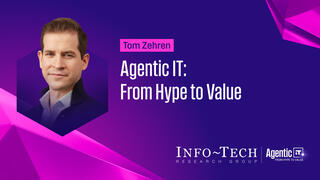 Agentic IT: From Hype to Value
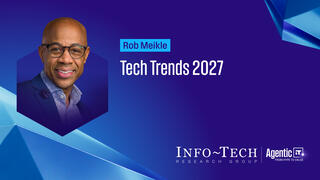 Tech Trends 2027 Keynote
 Become an Exponential CIO
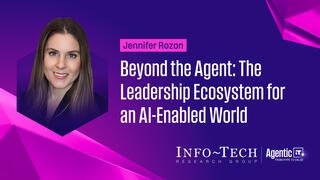 Beyond the Agent: The Leadership Ecosystem for an AI-Enabled World
 Five Key Takeaways From Info-Tech LIVE 2026
