
Develop Your Web Experience Management Strategy
Build a structured approach to improving your digital presence and delivering better experiences for your users.
Web experience management (WEM) is no longer just about running a website – it’s about coordinating platforms, teams, data, and governance to deliver consistent digital experiences. As organizations invest in CMS platforms, DXPs, personalization engines, analytics, e-commerce, and AI-driven tools, many struggle to translate expanding capabilities into cohesive, high-performing customer journeys. This step-by-step guide brings structure to that complexity, helping you align web experience decisions to enterprise priorities, organizational maturity, and clear performance outcomes.
Most organizations treat web experience management as a design refresh or a platform upgrade, but these efforts rarely improve the experience. Real progress comes from addressing fragmented content operations, inconsistent user journeys, and disconnected data. A strong WEM strategy focuses on governance, clarity of ownership, and measurable improvements to user and organizational outcomes, not on deploying new features for their own sake.
1. Define enterprise goals and align stakeholders.
Many organizations do not have a unified vision for how the web should support enterprise goals. Without a shared vision and clear KPIs, the web becomes a collection of disconnected initiatives instead of a strategic channel. Establishing alignment at the start creates direction and reduces rework later.
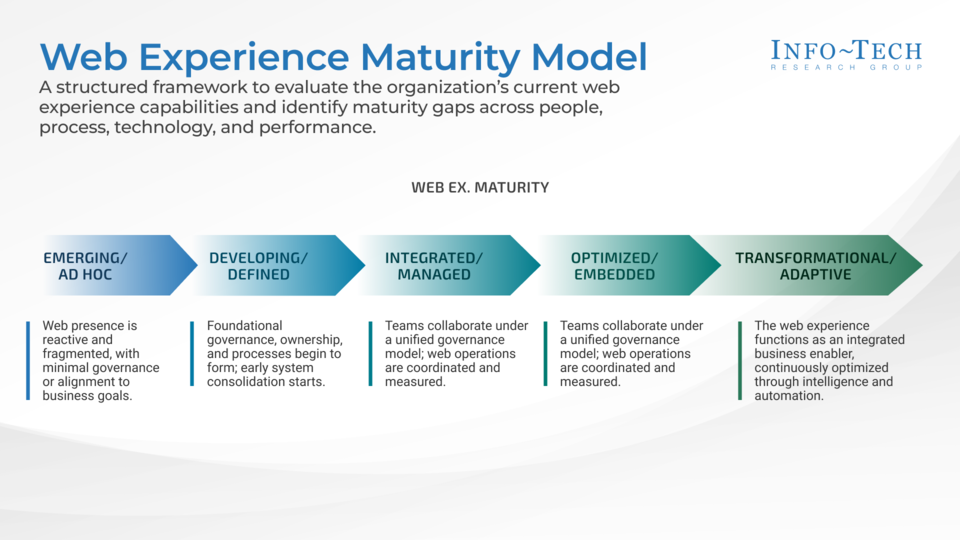
2. Assess current-state capabilities and maturity.
Web ecosystems often grow through years of incremental updates, which leads to legacy content, uneven standards, and unclear roles. Maturity assessments reveal duplicated content, inconsistent governance, and slow delivery cycles. Environmental challenges such as siloed platforms or limited analytics capabilities only become visible during a structured assessment.
3. Prioritize what drives impact.
Teams frequently design experiences from an internal point of view rather than from user needs. Without persona advisory, journey mapping, and value-and-feasibility analysis, organizations invest in low-value capabilities while high-value opportunities remain overlooked. Identifying experience enablers and prioritizing requirements ensures that limited resources support what users actually need.
Use this step-by-step guide to move from fragmented web initiatives to coordinated experience delivery.
This framework provides a structured, practical method for improving your digital experience. Explore practical tools and templates, key trends, and use cases, along with a step-by-step five-phased approach, to:
- Assess the current web environment through a maturity lens that highlights capability gaps.
- Identify priority audiences and map their journeys to uncover real experience needs.
- Define strategic requirements for your WEM platform, content operations, and governance model.
- Build an actionable roadmap that balances long-term transformation with near-term wins.
Member Testimonials
After each Info-Tech experience, we ask our members to quantify the real-time savings, monetary impact, and project improvements our research helped them achieve. See our top member experiences for this blueprint and what our clients have to say.
8.0/10
Overall Impact
$34,499
Average $ Saved
38
Average Days Saved
Client
Experience
Impact
$ Saved
Days Saved
County of Washoe, NV
Guided Implementation
8/10
$34,499
38
Best: I really appreciated the insight from both Steve Monaghan and Hriday Gulrajani. They talked about real life experiences in streamlining both... Read More
Develop Your Web Experience Management Strategy
Build a structured approach to improving your digital presence and delivering better experiences for your users.
Analyst Perspective
Web experience management is evolving away from basic websites to meet the broader digital needs of marketing and the enterprise.
Implementing the right WEM strategy is critical for improving digital performance, strengthening customer engagement, and giving teams the structure they need to deliver consistent and scalable web experiences.
Web experience management is evolving away from basic websites to meet the broader web needs of marketing. Organizations now expect their digital presence to support growth, enable personalization, and deliver content that is accurate, timely, and aligned with the customer journey. At the same time, users expect fast, intuitive, and accessible experiences across every touchpoint.
Marketing, UX, and content teams often guide WEM initiatives, but meaningful progress depends on tight alignment with IT, data, and enterprise architecture. Marketing defines audience needs and messaging. Content teams set governance and workflow standards. IT ensures scalability, performance, security, and integration with analytics, CRM, and other enterprise systems. Without shared ownership, WEM efforts risk becoming fragmented or slow to adapt.
A strong WEM program follows a structured approach: assessing maturity, identifying priority audiences and journeys, defining experience and technical requirements, and shaping an application portfolio that supports both near-term improvements and long-term evolution. Effective governance clarifies roles, supports content operations, and enables continuous optimization through analytics and testing.
By focusing on information architecture, content lifecycle management, platform sustainability, and performance insights, organizations can modernize their digital presence, reduce operational friction, and deliver a web experience that evolves as user expectations and channels change.

Hriday Gulrajani
Senior Research Analyst, Customer Experience Strategy
Info-Tech Research Group
Execution Summary
Your Challenge
- Organizations rely heavily on their website to communicate value, support customers, and drive growth. But many teams struggle with outdated platforms, inconsistent content, fragmented ownership, and experiences that no longer meet user expectations.
- Leaders need a way to:
- Understand how well their current web experience supports business goals.
- Prioritize improvements that will lift usability, conversion, and content quality.
- Align marketing, IT, UX, and content teams around a shared digital vision.
- Without a structured approach, web investments become reactive, slow, and difficult to scale.
Common Obstacles
- Organizations often face barriers that limit the impact of their web experience, such as:
- A decentralized content model that leads to inconsistent messaging, governance issues, and unclear ownership.
- Limited visibility into user behavior, making it hard to identify friction points or validate improvements.
- Technology constraints that prevent teams from delivering personalized, fast, and reliable experiences.
- Competing priorities across departments, slowing decisions and weakening digital momentum.
- These challenges make it difficult to evolve the website into a strategic asset rather than a collection of disconnected pages.
Info-Tech's Approach
- Info-Tech's WEM framework provides a structured, practical method for improving your digital experience. It helps organizations:
- Assess the current web environment through a maturity lens that highlights capability gaps.
- Identify priority audiences and map their journeys to uncover real experience needs.
- Define strategic requirements for your WEM platform, content operations, and governance model.
- Build an actionable roadmap that balances long-term transformation with near-term wins.
- This blueprint outlines the activities, tools, and templates needed to develop a user-centered, scalable, and business-aligned web experience.
Info-Tech Insight
A successful WEM strategy starts by treating the website as a core business system rather than only a marketing asset and by aligning people, processes, and technology to deliver a consistent and measurable digital experience.
Web experience management overview
Web experience management (WEM) platforms equip organizations with the capabilities required to design, manage, deliver, and optimize digital experiences across websites, portals, microsites, and other interaction channels. Modern WEM solutions extend well beyond traditional content management by integrating content operations, data, personalization, governance, and analytics into a unified experience delivery ecosystem.
WEM supports marketing, digital, communications, product, and customer experience teams by enabling scalable, secure, and intelligent digital interactions. With AI-driven personalization and integrated data insights, WEM supports the full digital lifecycle from content creation to continuous optimization. Its ability to integrate seamlessly with CRM, CDP, analytics, marketing automation, DAM, and commerce platforms positions WEM as the connective layer of the broader digital experience ecosystem.
Core Features of WEM:
- Content management and authoring tools
- AI-powered personalization
- Multichannel and headless delivery
- Integrated data, analytics, and SEO
- Governance, workflows, and compliance
- Digital asset management
- Experience testing and optimization
- Scalable, secure, cloud-ready architecture
Info-Tech Insight: WEM platforms range from basic publishing tools to advanced, AI-enabled experience systems. Focus on foundational needs such as governance, scalability, content operations, and integration maturity rather than chasing emerging features or vendor hype. Select a platform that aligns with your organization's goals, operational complexity, and long-term digital roadmap.
Why modernization matters
Modernizing the web ecosystem improves the user experience, reduces inefficiencies, and prepares the org. for growth.
Modern Web Capabilities
Your website is the front door to your organization
It shapes first impressions for customers, partners, and talent. A modern web presence builds credibility, strengthens trust, and supports how people discover, evaluate, and interact with your services.
Web experience expectations are rising
Users now expect fast, seamless, intuitive digital journeys. They want relevant content, consistent navigation, and easy access to answers. Legacy platforms make it difficult to keep pace with these expectations.
AI is transforming how organizations deliver digital experiences
AI-driven search, personalization, content creation, and agentic interactions are becoming standard. Modernization creates the foundation required to adopt these capabilities and improve experience quality. A strong approach to content curation on the website also feeds the agentic or conversation (chatbot) experiences.
Modernization builds a foundation for future needs
Updating the web ecosystem improves reliability, reduces operational friction, and ensures the organization can scale, adapt, and innovate as digital demands evolve.
Foundations of a modern web experience
A strong web experience strategy connects content, data, governance, and technology to deliver consistent, high-quality digital experiences across all touchpoints.
Web Experience Management
The foundations that support a modern, unified digital presence
Experience governance, shared standards, and integrated delivery workflows
Unified Experience Architecture
This ensures every site, microsite, and digital asset follows a shared design system, content model and lifecycle approach, and technical foundation. A unified architecture reduces inconsistencies, avoids duplicated work, and makes it easier to launch new digital experiences quickly.
Connected Content & Channels
The web ecosystem shouldn't feel fragmented. When platforms, data, and workflows work together, teams can publish once and distribute everywhere. This supports better governance, reduces manual rework, and helps users move across channels without friction.
Consistent & Relevant Experience Delivery
Consistency builds trust. This pillar focuses on delivering the right content, in the right format, for the right audience. It includes personalization, accessibility, localization, and design standards so every touchpoint feels cohesive and tailored.
Measurement & Optimization
Improving the web experience requires clear KPIs, analytics, and an ongoing test-and-learn approach. Teams use data to refine content, evaluate performance, and guide roadmap priorities. This turns the web into a measurable business asset instead of a static publishing channel.
Initial Focus
Built Over Time
Why web experience strategies fail to deliver
Execution issues often arise when teams, content, data, and governance operate in silos. These gaps slow delivery, weaken quality, and create inconsistent experiences across the web ecosystem.
| THE AREA | WHAT'S GOING WRONG | THE IMPACT |
|---|---|---|
| TEAMS | Web responsibilities are scattered, no shared ownership, unclear roles | Slow delivery, inconsistent quality, and constant rework |
| CONTENT | Content lives in silos; outdated or duplicated; no shared standards | Users see mixed messages, broken journeys, and low engagement |
| DATA | Analytics are incomplete or disconnected across platforms | Teams can't measure performance or improve experiences confidently |
| TECHNOLOGY | Legacy systems, scattered tools, and manual processes | Bottlenecks, unnecessary complexity, and higher operational costs |
| GOVERNANCE | No clear rules for publishing, tagging, or quality control | Inconsistent experience, compliance issues, and higher risk |
| DECISIONS | Teams make choices independently without shared priorities | Misaligned initiatives and gaps in the customer journey |
74% of consumers are inclined to make a purchase based only on digital experience, indicating that it has evolved beyond touch points.
Source: Martech 360, 2024
70% of consumers say they will move to a competitor after a poor digital experience.
Source: Verint, 2024
Two-thirds of brands aren't giving customers the right content at the right moment and 78% of the consumers expect a seamless experience at every touchpoint.
Source: Adobe, 2025
Info-Tech's methodology to Build a Modern Web Experience Management Strategy
| 1. Define Vision & Success Criteria | 2. Assess Current State & Readiness | 3. Understand Audiences & Experience Priorities | 4. Architect & Govern | 5. Launch, Measure & Optimize | |
|---|---|---|---|---|---|
| Phase Steps |
|
|
|
|
|
| Phase Outcomes |
|
|
|
|
|
Insight summary
Overarching insight
Most organizations treat WEM as a design refresh or a platform upgrade, but these efforts rarely improve the experience. Real progress comes from addressing fragmented content operations, inconsistent user journeys, and disconnected data. A strong WEM strategy focuses on governance, clarity of ownership, and measurable improvements to user and business outcomes, not on deploying new features for their own sake.
Phase 1 insight
Many organizations do not have a unified vision for how the web should support enterprise goals. Marketing, IT, CX, and communications often operate with different expectations and success measures. Without a shared vision and clear KPIs, the web becomes a collection of disconnected initiatives instead of a strategic channel. Establishing alignment at the start creates direction and reduces rework later.
Phase 2 insight
Web ecosystems often grow through years of incremental updates, which leads to legacy content, uneven standards, and unclear roles. Maturity assessments reveal duplicated content, inconsistent governance, and slow delivery cycles. Environmental challenges such as siloed platforms or limited analytics capabilities only become visible during a structured diagnostic. These insights help set realistic priorities and define where investment will make the most impact.
Phase 3 insight
Teams frequently design experiences from an internal point of view rather than from user needs. Without persona advisory, journey mapping, and value and feasibility analysis, organizations invest in low-value capabilities while high-value opportunities remain overlooked. Identifying experience enablers and prioritizing requirements ensures that limited resources support what users actually need and what creates the most business value.
Tactical insight
Align content, UX, and data teams through shared standards, governance practices, and common tools. When teams follow different processes or work in isolated systems, inconsistencies increase and delivery slows. A unified operating model for templates, components, analytics, and content processes improves quality and reduces operational strain.
Tactical insight
Avoid relying on basic metrics such as visits or impressions to measure the value of your web experience. Use indicators tied to real outcomes, including task completion, findability, friction points, and conversion. Tracking meaningful signals builds confidence that the WEM strategy is working and helps secure ongoing support and investment.
Info-Tech offers various levels of support to best suit your needs
| DIY Toolkit | Guided Implementation | Workshop | Executive & Technical Counseling | Consulting |
|---|---|---|---|---|
| "Our team has already made this critical project a priority, and we have the time and capability, but some guidance along the way would be helpful." | "Our team knows that we need to fix a process, but we need assistance to determine where to focus. Some check-ins along the way would help keep us on track." | "We need to hit the ground running and get this project kicked off immediately. Our team has the ability to take this over once we get a framework and strategy in place." | "Our team and processes are maturing; however, to expedite the journey we'll need a seasoned practitioner to coach and validate approaches, deliverables, and opportunities." | "Our team does not have the time or the knowledge to take this project on. We need assistance through the entirety of this project." |
Diagnostics and consistent frameworks are used throughout all five options.
About Info-Tech
Info-Tech Research Group is the world’s fastest-growing information technology research and advisory company, proudly serving over 30,000 IT professionals.
We produce unbiased and highly relevant research to help CIOs and IT leaders make strategic, timely, and well-informed decisions. We partner closely with IT teams to provide everything they need, from actionable tools to analyst guidance, ensuring they deliver measurable results for their organizations.
What Is a Blueprint?
A blueprint is designed to be a roadmap, containing a methodology and the tools and templates you need to solve your IT problems.
Each blueprint can be accompanied by a Guided Implementation that provides you access to our world-class analysts to help you get through the project.
Talk to an Analyst
Our analyst calls are focused on helping our members use the research we produce, and our experts will guide you to successful project completion.
Book an Analyst Call on This Topic
You can start as early as tomorrow morning. Our analysts will explain the process during your first call.
Get Advice From a Subject Matter Expert
Each call will focus on explaining the material and helping you to plan your project, interpret and analyze the results of each project step, and set the direction for your next project step.
Unlock Sample ResearchContributors
Five contributors assisted with this research, but due to the sensitivity of the information will remain anonymous.
 Marketing Management Suite Software Selection Guide
 Build IT Capabilities to Enable Digital Marketing Success
 Develop Your Web Experience Management Strategy
 Optimize Lead Generation With Lead Scoring
 Create a Buyer Persona and Journey
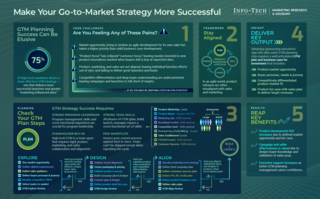 Build a More Effective Go-to-Market Strategy
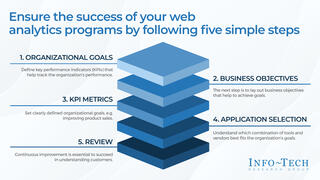 Leverage Web Analytics to Reinforce Your Web Experience Management Strategy
 2020 Applications Priorities Report
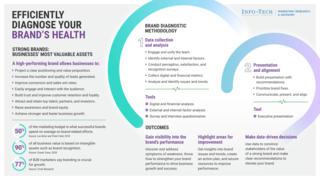 Diagnose Brand Health to Improve Business Growth
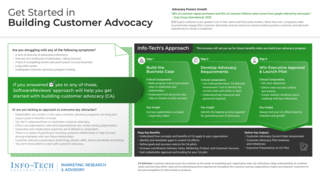 Get Started With Customer Advocacy
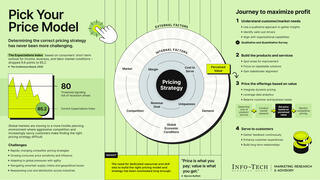 Pick Your Price Model
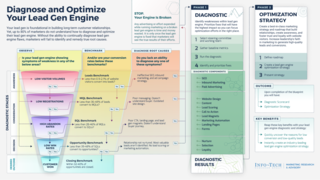 Diagnose and Optimize Your Lead Gen Engine
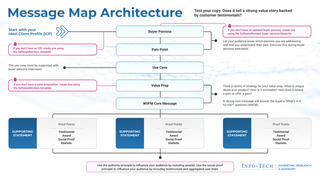 Develop the Right Message to Engage Buyers
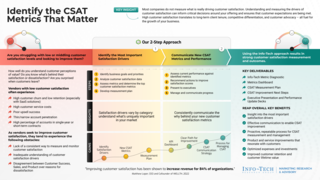 Identify the Customer Satisfaction Metrics That Matter
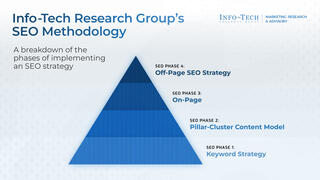 Create an Effective SEO Strategy
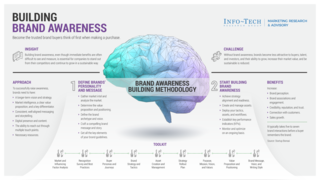 Accelerate Business Growth and Valuation by Building Brand Awareness
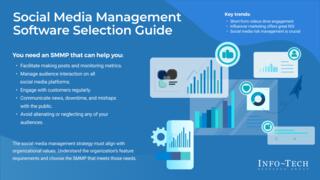 Social Media Management Software Selection Guide
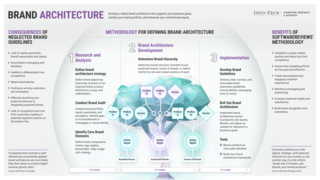 Build a More Effective Brand Architecture
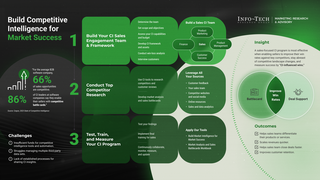 Build Competitive Intelligence for Market Success
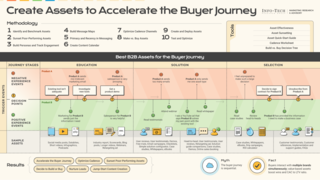 Create Assets to Accelerate the Buyer Journey
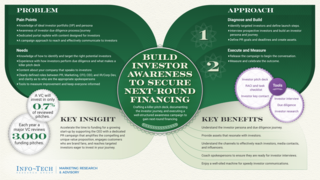 Build Investor Awareness to Secure Next-Round Financing
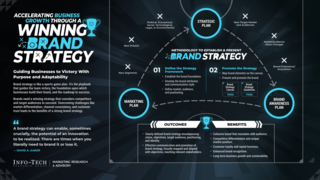 Brand Strategy: Establish and Cultivate a Flourishing Brand
 Improve Win Rates With a Sales Enablement Strategy
 Scale Your Marketing Department
 Choose the Right Channel Sales Partner
 Redesign Your Website to Increase Business Value
 Build Your Account-Based Marketing Strategy
 Build a Strong Analyst Relations Foundation
 Improve External PR Communications for Greater Product Launch Success
 Turn Share of Voice Growth Into a Strategic Weapon
 Optimize the Right Metrics to Scale Your Business
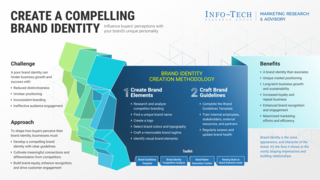 Leave a Lasting Impression With a Compelling Brand Identity
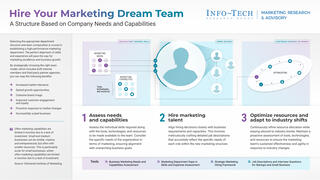 Hire Your Marketing Dream Team
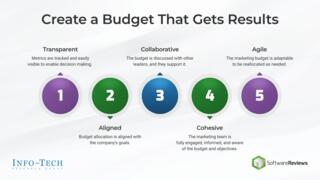 Match Your Budget to Your Market Position
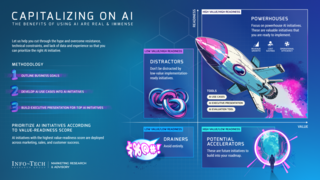 Capitalizing on AI
 Generative AI Use Cases for Marketing, Sales, and Customer Service
 The AI Advantage for Smarter Marketing – A Primer
 Build, Buy, or Shut It Down
 Event Activation Playbook
 Crush Your Product Launch
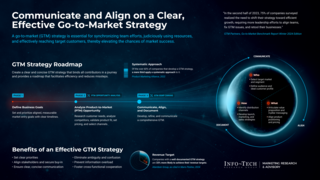 Go-to-Market Strategy on a Page
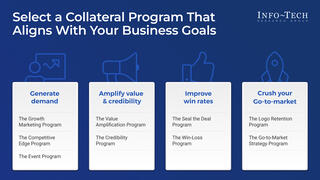 Maximize ROI on Sales and Marketing Collateral
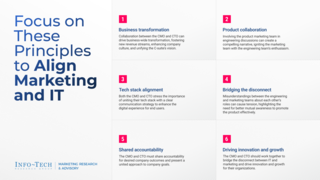 From Silos to Synergy: Create Marketing and IT Alignment
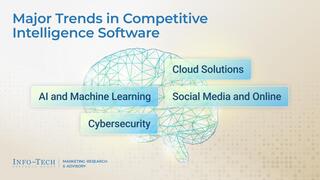 Competitive Intelligence Software Selection Guide
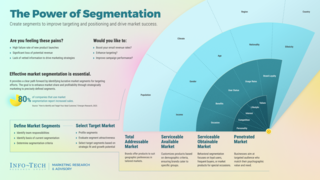 The Power of Segmentation
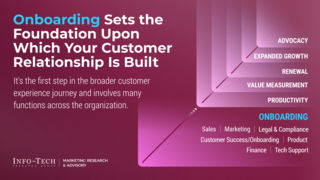 Revolutionize Your Customer Onboarding
 Search Engine Optimization Software Selection Guide
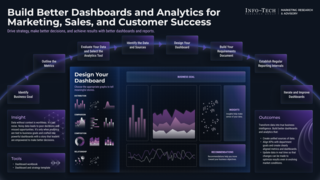 Build Better Dashboards Across Marketing, Sales, and Customer Success
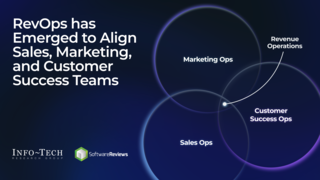 Make the Case for RevOps
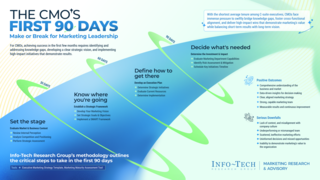 The First 90 Days as a CMO
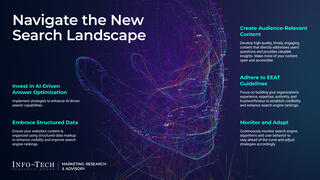 Stay Relevant in the Era of AI-Powered Search
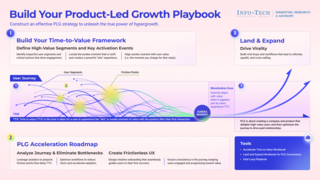 Build Your Product-Led Growth Playbook
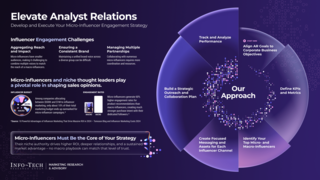 Elevate Analyst Relations
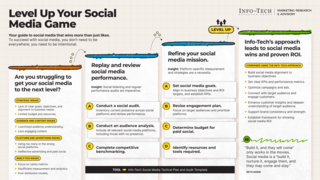 Level Up Your Social Media Game
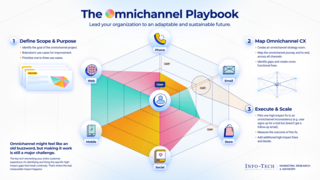 The Omnichannel Playbook
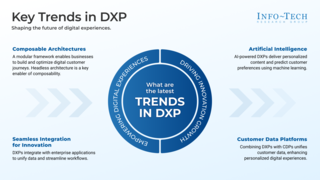 Digital Experience Platform Selection Guide
 Software Buyer Insights 2025
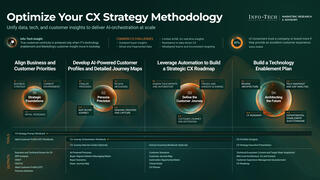 Optimize Your CX Strategy
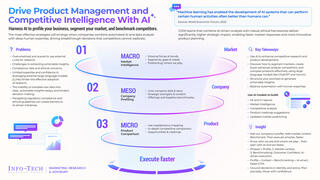 Drive Product & Market Planning With AI
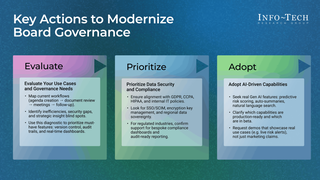 Board Management Software Selection Guide
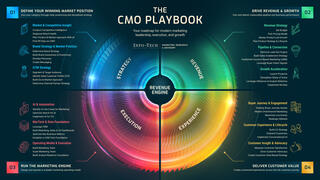 The CMO Playbook
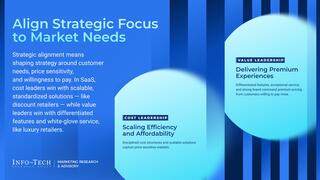 Position Your Brand Strategically as a Cost or Value Leader
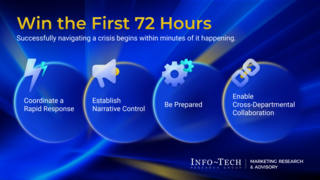 The Crisis Management Playbook
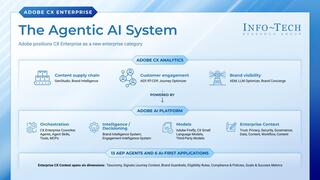 Vendor Spotlight: Adobe CX Enterprise
 Accelerate Persona & Journey Mapping With AI
