
Build Competitive Intelligence for Market Success
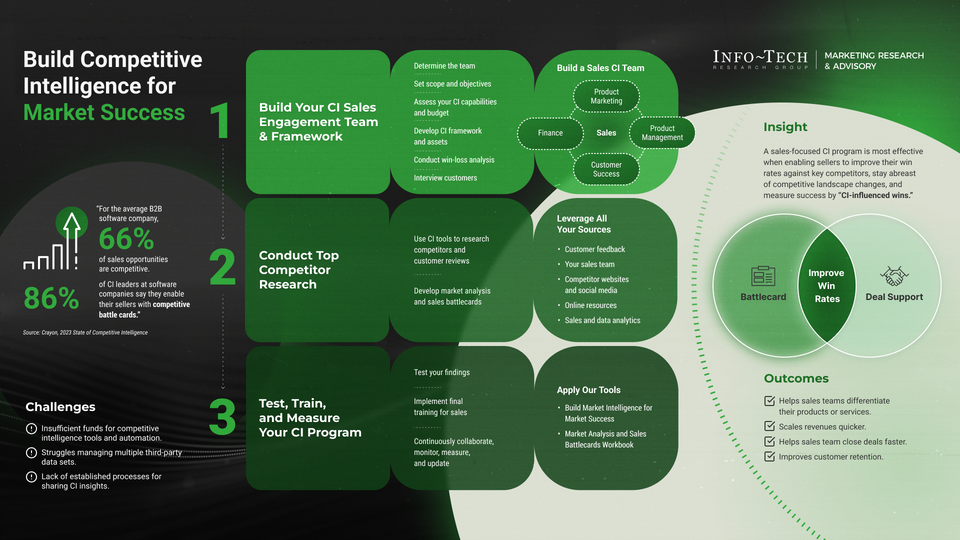
Competitive intelligence (CI) leaders can best deliver CI-influenced sales wins by arming sellers with up-to-date battlecards, product alignment, and a budget that supports success.
- Rapid technological advancements: Keeping up with the swift pace of tech innovation and emerging tools, frameworks, and methodologies.
- Diverse and fragmented competition: Monitoring numerous competitors, from startups to giants, including indirect players and potential entrants.
- Complex buying cycles: Understanding the multifaceted B2B sales cycle, competitor positioning, and post-sale customer relationship management.
- Data overload and quality: Managing vast data sources, ensuring relevancy, and maintaining data credibility amidst potential misinformation.
Our Advice
Critical Insight
- A sales-focused competitive intelligence program is most effective when enabling sellers to improve their win rates against key competitors, stay abreast of changes in the competitive landscape, and be measured by CI-influenced wins.
- A well-designed competitive intelligence program can help sales teams amplify your product and company capability strengths and overcome your weaknesses during sales interactions, making them more effective at winning deals over key competitors.
- To remove barriers in competitive intelligence, one must address the main challenge of inadequate executive support by educating stakeholders on CI benefits, ensuring resource acquisition, making reliable data source investments, fostering a collaborative culture, and maintaining ethical and legal compliance.
Impact and Result
This SoftwareReviews blueprint provides product management or a competitive intelligence team with guidance, tools, sample training agendas, and training output while measuring CI influence in competitive sales situations.
Sales CI is:
- Gathering and analyzing information about competitors, such as their products, pricing, marketing strategies, sales tactics, strengths, and weaknesses.
- Using insights gained from CI to inform sales strategy and tactics against key competitors. Outcomes include developing more effective messaging and positioning, identifying pricing and packaging opportunities, and handling competitive threats.
- Providing sales teams with intelligence on customer needs, preferences, and pain points relative to key competitors to help them tailor their competitive positioning to win more business.
- Creating a deep understanding of the competitive landscape to inform sales about new competitors as they emerge.
- Conducted ethically and within legal and regulatory boundaries.
Member Testimonials
After each Info-Tech experience, we ask our members to quantify the real-time savings, monetary impact, and project improvements our research helped them achieve. See our top member experiences for this blueprint and what our clients have to say.
10.0/10
Overall Impact
$13,799
Average $ Saved
10
Average Days Saved
Client
Experience
Impact
$ Saved
Days Saved
Crystal Flash Inc
Guided Implementation
10/10
$13,799
10
Really appreciate Joanne's expertise and how she makes it all relevant to our business/industry
Build Competitive Intelligence for Market Success
Leverage strategic battlecards, product alignment, and resources.
Analyst perspective
Build Competitive Intelligence for Market Success
Standing out is a challenge. Constant venture funding and rapid development among start-ups and established companies mean offerings and features change constantly, making differentiation even harder.
With a dedicated CI team, sales teams can stay ahead of competitors. The cost is steep, often leading to lost deals and reduced revenue. But there's a straightforward solution: investing in a market- and sales-focused CI function.
By providing the right resources for competitive intelligence, companies can empower sales teams to make informed moves. CI teams that collaborate closely with sales, product management, and marketing can create effective tools like battlecards, gather relevant data, and design targeted seller support strategies — all to help boost win rates against key competitors.
Of course, there are challenges: keeping up with a changing competitive landscape, finding the right insights quickly, and building strong communications and support strategies. But when done right, the ROI is significant. Companies can turn competitive insights into a real advantage with a focused CI effort, improving win rates and driving growth.

Joanne Morin Correia
Principal Research Director, Marketing
Info-Tech Research Group
What is competitive intelligence?
Competitive Intelligence is:
- Gathering and analyzing information about competitors, such as their products, pricing, marketing strategies, sales tactics, strengths, and weaknesses.
- Using insights gained from CI to inform competitive sales strategy and tactics. Outcomes include developing more effective messaging and positioning, identifying pricing and packaging opportunities, and handling competitive threats.
- Providing sales teams with intelligence on customer needs, preferences, and pain points relative to key competitors to help them tailor their competitive positioning to win more business.
- Creating a deep understanding of the competitive landscape to inform sales about new and emerging competitors as they emerge.
- Conducting these practices ethically and within legal and regulatory boundaries.
Competitive Intelligence is not:
- The sole responsibility of sales teams. While sales teams are the primary users of CI for Sales, the process should be driven primarily by a dedicated CI function typically found within and highly collaborative with product marketing.
- About stealing trade secrets or engaging in unethical or illegal activities to gain an advantage over competitors.
- About providing tools for predicting sales outcomes or forecasting with certainty.
- A one-time activity. CI for Sales is an ongoing process that requires continuous data gathering and analysis to remain effective.
Info-Tech Insight
A well-designed competitive intelligence program can help sales teams amplify their products and company strengths and overcome their weaknesses during sales interactions, making them more effective at winning deals.
Executive Summary
| Pain Points | Obstacles | Info-Tech's Approach |
|
Limited CI resources, outdated data, and poor processes hinder informed decision-making, causing missed opportunities and lost revenues.
|
The inability to compete effectively results in stagnant sales growth, missed market and sales opportunities, challenges in attracting talent, partners, or future investors, and depreciation of company and brand value.
|
By ensuring that the CI function is resourced correctly and aligned with sales' strategic priorities, you can provide valuable insights into how to win against your competitors' products and services.
|
Info-Tech Insight
A sales-focused competitive intelligence program is most effective when enabling sellers to improve their win rates against key competitors, stay abreast of changes in the competitive landscape, and be measured by CI-influenced wins.
How does competitive intelligence help sales?
While CI can enable success within many important corporate functions, applications of CI that directly impact revenue are considered the most important.
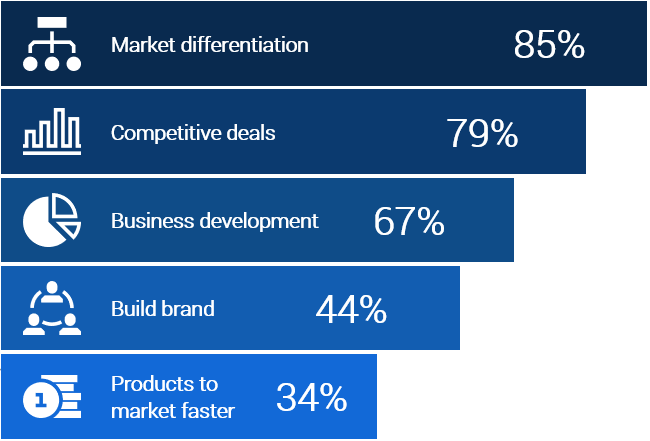
Source: Crayon, 2022
CI for sales:
- Equips sales teams with valuable knowledge about key competitors.
- Keeps sales up to date about the ever-changing competitive landscape.
- Identifies specific areas of competitive advantage, parity, and gaps.
- Empowers sellers to emphasize areas of competitive advantage and address objections related to gaps.
- Guides on how to tailor competitive pricing and solution packaging/bundling.
Leveraging competitive information allows sales professionals to improve win rates over key competitors.
Obstacles to successful CI implementations
Lack of executive support: Gaining buy-in and support from executives and key stakeholders is crucial for the success of a CI for sales program. If CI lacks value or relevance, it can be harder to secure the necessary resources, budget, and organizational alignment.
Limited resources and budget: Implementing a robust CI program requires dedicated resources, including personnel, technology, and research capabilities. Constraints can hinder the ability to gather comprehensive intelligence and support ongoing analysis and reporting.
Data quality and availability: CI relies on accurate, up-to-date information. It can be challenging to obtain reliable data from various sources and ensure its quality. Access to relevant market data, competitor information, and customer insights is required to generate actionable intelligence.
Resistance to change and cultural barriers: Implementing a CI for a sales program often requires a cultural shift within the organization. Some employees may resist change to adopt new processes and tools. Overcoming resistance, fostering collaboration, and promoting a CI-focused mindset throughout the sales team can be challenging.
Data privacy and ethical considerations: CI must adhere to ethical guidelines and comply with data privacy regulations. Balancing the need for competitive insights with ethical considerations and legal constraints can present challenges. Organizations must ensure their CI practices are conducted ethically and within legal boundaries.
Info-Tech Insight
To remove barriers in competitive intelligence, one must address the main challenge of inadequate executive support by educating stakeholders on CI benefits, ensuring resource acquisition, making reliable data source investments, fostering a collaborative culture, and maintaining ethical and legal compliance.
Problems of weak competitive intelligence
Misunderstanding
Difficulty in understanding the market:
Without comprehensive knowledge of competitors' products, pricing, and marketing tactics, CI leaders may struggle to understand the market's competitive landscape, making it challenging to develop effective positioning over key competitors and properly help the sales team improve win rates.
Inefficient resources
Allocation of marketing resources:
Without prioritizing which competitors and markets to focus on, CI leaders will be unable to size budget and resource needs to move the needle on improving win rates across all product markets and geographies.
Limited opportunities
Missed opportunities:
CI leaders with weak competitive intelligence will be surprised when new entrants or new products from existing competitors take deals away from sellers. This can lead to competitors gaining market share, resulting in lower revenue and profits for the company.
No differentiation
Inability to differentiate the company's products:
A lack of tight alignment between the CI function and product marketing and management can lead to generic marketing messages and a product and company that are undefined in the marketplace.
You can't afford to not invest in your CI team and resources
- A lack of a complete and commonsense CI program, team, and strategy is a considerable business risk to your company's success.
- CI research funding and resources are critical to have in place before the product is created or launched. If not, your ability to sell in the market is hampered.
- Sales representatives will make up information for clients; this considerably threatens your reputation and causes missed revenue opportunities.
- The market is changing fast, and without a modern CI program, there will be wasted dollars in other business areas to prop up weak CI and customer insights.
"Seventy-one percent of companies maintaining battlecards say these assets have helped them improve their win rate."
Source: Crayon, 2022
Build CI research to improve sales win rates
Our approach calls for the proper selection of competitors and research best practices to increase sales in a competitive win situation.
CI team plan and budget
Identify what CI resources are required to be put in place for a CI team to drive more wins in competitive selling situations
Win/loss analysis
Track win/loss rates against competitors to understand where there is a need for better CI sales enablement
SWOT analysis
Assess the strengths, weaknesses, opportunities, and threats in your organization's internal and external environments
Competitive company and product analysis
Compare competitors' strategy prices, contract types, and product attributes
Customer reviews
Organize customer reviews and competitive insights into sales battlecards
Diverse backgrounds and skills create stronger teams
The key is looking for a few core traits:
- Relentless researchers – Every member of your team needs to be curious and prepared to dig deep into the backlinks to find the information they crave.
- Conscious communicators – Competitive intelligence is a long game; your team must be okay with holding back information until they have the whole story. It would be best to have methodical people who won't jump to conclusions based on one bit of intel.
- Effective synthesis – Building a functional competitive intelligence system requires skilled writers who can synthesize vast amounts of data into concise and impactful memos. Without synthesizing research into meaningful insights, all the collected data becomes futile.
- Multidepartment experts – These experts should be proficient in comprehending the unique information that matters to each department and align with their core competencies, goals, and needs.
About Info-Tech
Info-Tech Research Group is the world’s fastest-growing information technology research and advisory company, proudly serving over 30,000 IT professionals.
We produce unbiased and highly relevant research to help CIOs and IT leaders make strategic, timely, and well-informed decisions. We partner closely with IT teams to provide everything they need, from actionable tools to analyst guidance, ensuring they deliver measurable results for their organizations.
What Is a Blueprint?
A blueprint is designed to be a roadmap, containing a methodology and the tools and templates you need to solve your IT problems.
Each blueprint can be accompanied by a Guided Implementation that provides you access to our world-class analysts to help you get through the project.
Need Extra Help?
Speak With An Analyst
Get the help you need in this 3-phase advisory process. You'll receive multiple touchpoints with our researchers, all included in your membership.
Guided Implementation 1: Build CI Sales Team
- Call 1: Share the CI team vision and outline activities for CI sales strategy planning process. Plan next call – 1 week.
- Call 2: Review your documented scope and objectives against your internal interview questions, answers against resources, and budget. Plan next call – 1 week.
- Call 3: Train the CI team by assessing your company's CI capabilities and budget using the SR CI Excel and PowerPoint tools. Modify or add any requirements as needed. Plan next call – 1 week.
Guided Implementation 2: Conduct Competitive Research
- Call 1: Develop CI research framework and best practices for the sales’ competitive analysis. Plan next call – 1 week.
- Call 2: Review competitive win/loss analysis results and prioritize information for new sales battlecards. Plan next call – 2 weeks.
- Call 3: Review to prioritize research types and top competitors for detailed CI research. Plan next call – 4 weeks.
- Call 4: Review market analysis prefinal battlecards for testing. Plan next call – 1 week.
Guided Implementation 3: Test and Measure CI Program
- Call 1: Review findings from the battlecard test to make any adjustments to the final battlecards, training plans for collaboration, and full sales training rollout. Plan next call – 1 week.
- Call 2: Review and prioritize metrics for competitor monitoring, ROI of CI team, and other research types for sales CI assets. Plan next call – 1 week.
 Marketing Management Suite Software Selection Guide
 Build IT Capabilities to Enable Digital Marketing Success
 Develop Your Web Experience Management Strategy
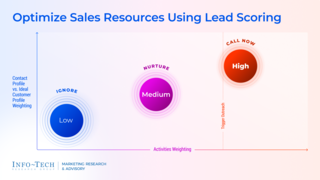 Optimize Lead Generation With Lead Scoring
 Create a Buyer Persona and Journey
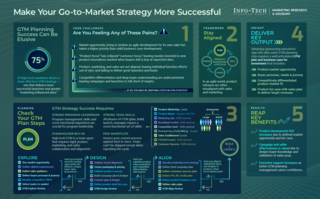 Build a More Effective Go-to-Market Strategy
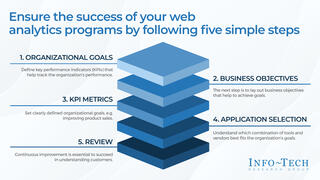 Leverage Web Analytics to Reinforce Your Web Experience Management Strategy
 2020 Applications Priorities Report
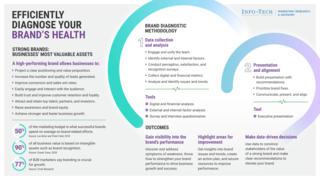 Diagnose Brand Health to Improve Business Growth
 Get Started With Customer Advocacy
 Pick Your Price Model
 Diagnose and Optimize Your Lead Gen Engine
 Develop the Right Message to Engage Buyers
 Identify the Customer Satisfaction Metrics That Matter
 Create an Effective SEO Strategy
 Accelerate Business Growth and Valuation by Building Brand Awareness
 Social Media Management Software Selection Guide
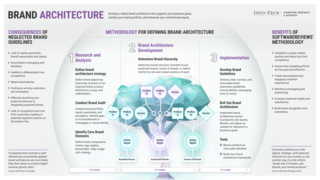 Build a More Effective Brand Architecture
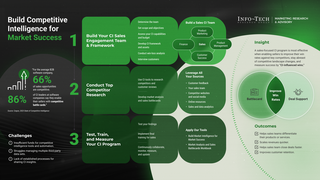 Build Competitive Intelligence for Market Success
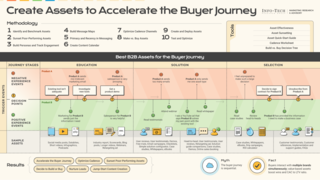 Create Assets to Accelerate the Buyer Journey
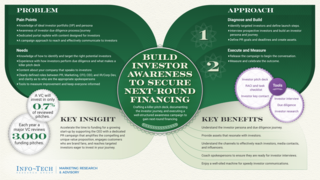 Build Investor Awareness to Secure Next-Round Financing
 Brand Strategy: Establish and Cultivate a Flourishing Brand
 Improve Win Rates With a Sales Enablement Strategy
 Scale Your Marketing Department
 Choose the Right Channel Sales Partner
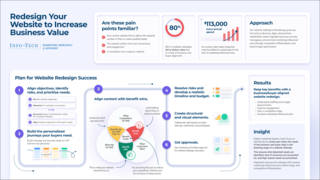 Redesign Your Website to Increase Business Value
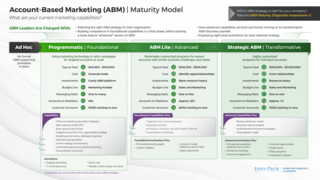 Build Your Account-Based Marketing Strategy
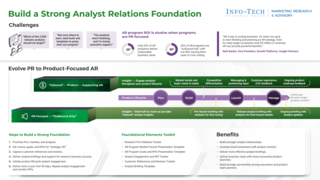 Build a Strong Analyst Relations Foundation
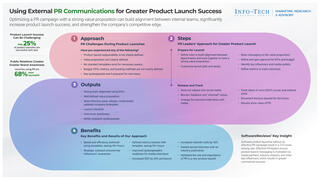 Improve External PR Communications for Greater Product Launch Success
 Turn Share of Voice Growth Into a Strategic Weapon
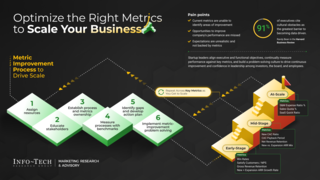 Optimize the Right Metrics to Scale Your Business
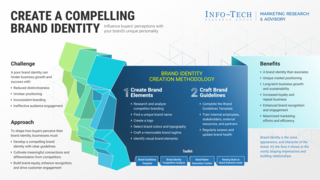 Leave a Lasting Impression With a Compelling Brand Identity
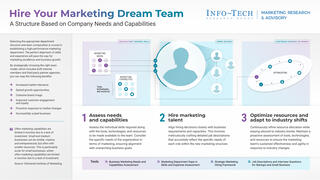 Hire Your Marketing Dream Team
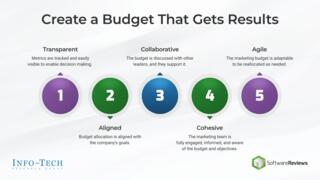 Match Your Budget to Your Market Position
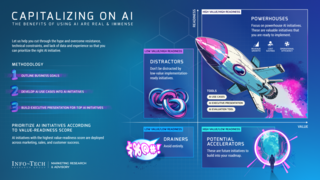 Capitalizing on AI
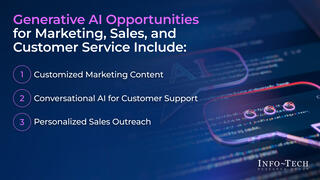 Generative AI Use Cases for Marketing, Sales, and Customer Service
 The AI Advantage for Smarter Marketing – A Primer
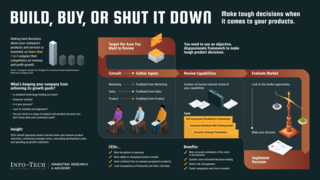 Build, Buy, or Shut It Down
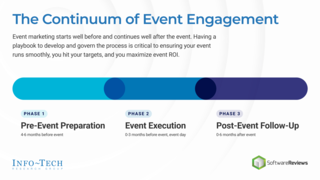 Event Activation Playbook
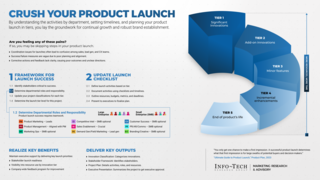 Crush Your Product Launch
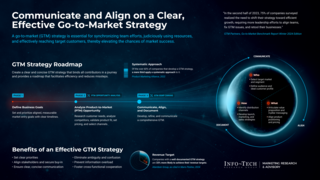 Go-to-Market Strategy on a Page
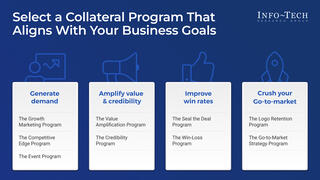 Maximize ROI on Sales and Marketing Collateral
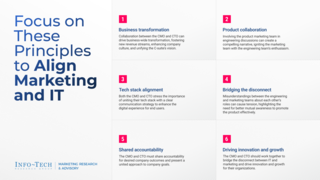 From Silos to Synergy: Create Marketing and IT Alignment
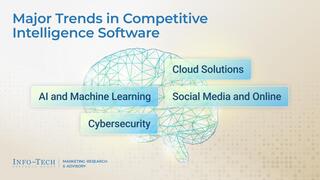 Competitive Intelligence Software Selection Guide
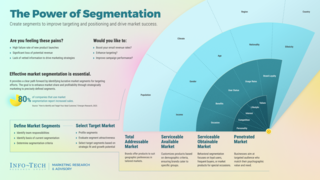 The Power of Segmentation
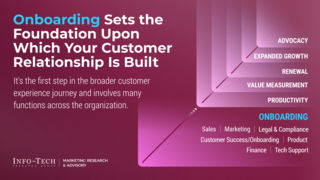 Revolutionize Your Customer Onboarding
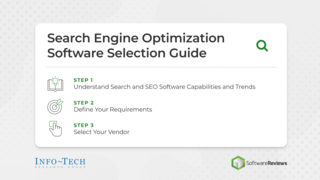 Search Engine Optimization Software Selection Guide
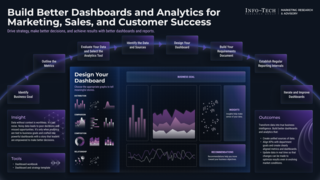 Build Better Dashboards Across Marketing, Sales, and Customer Success
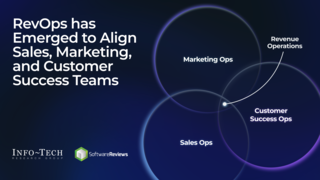 Make the Case for RevOps
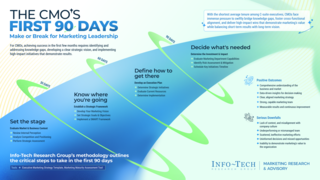 The First 90 Days as a CMO
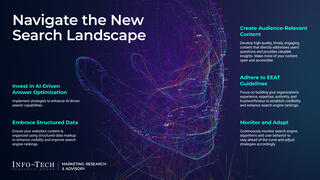 Stay Relevant in the Era of AI-Powered Search
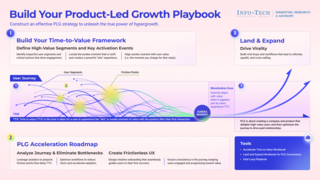 Build Your Product-Led Growth Playbook
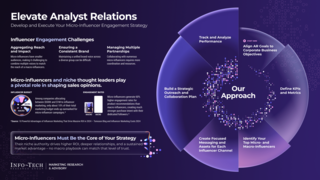 Elevate Analyst Relations
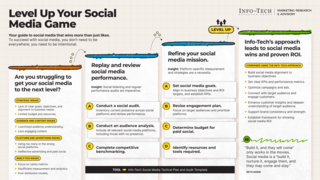 Level Up Your Social Media Game
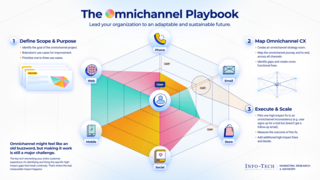 The Omnichannel Playbook
 Digital Experience Platform Selection Guide
 Software Buyer Insights 2025
 Optimize Your CX Strategy
 Drive Product & Market Planning With AI
 Board Management Software Selection Guide
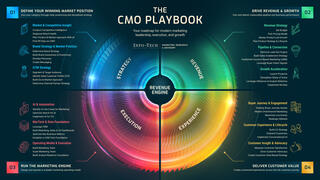 The CMO Playbook
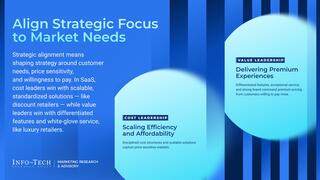 Position Your Brand Strategically as a Cost or Value Leader
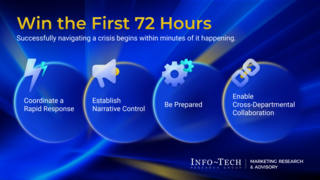 The Crisis Management Playbook
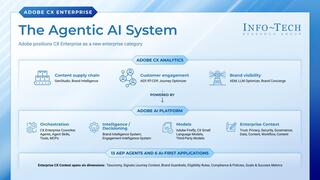 Vendor Spotlight: Adobe CX Enterprise
 Accelerate Persona & Journey Mapping With AI
