
Digital Experience Platform Selection Guide
Speed up the process to build your business case and select your DXP solution.
With the rise of omnichannel engagement, AI-driven personalization, and flexible integration expectations, many organizations are in search of new or upgraded digital experience platforms (DXPs) to keep up with those trends. But without a structured approach to that selection, you risk ending up with a DXP that is inadequate for your organization’s needs. This comprehensive buyer’s guide provides methodical guidance for selecting a DXP that offers long-term value and adaptability.
Keeping up with the ever-evolving vendor offerings in today’s dynamic DXP market is a challenge, and IT often finds itself shouldering the blame when the selected DXP proves inflexible, difficult to integrate, or otherwise falls short of expectations. Pick the right DXP using a structured, multi-stage process that allows you to accurately evaluate and compare the options while being grounded in organizational requirements and involving the right people.
1. Know what you need.
To ensure your selected DXP does what you need it to do, you must thoroughly understand your organization’s needs through rigorous requirements gathering. Don’t be afraid to make those requirements as granular as necessary to guide the search for a DXP that is most aligned with your organization’s needs.
2. Loop in the right stakeholders.
Though IT plays a central role in integrating your DXP platform while ensuring it is secure and scalable, that work cannot be done independently of the rest of the organization. IT must work in unison with relevant stakeholders to ensure the selected DXP is aligned with the organization’s broader customer experience goals.
3. Don’t chase trends.
DXP feature sets are evolving to keep pace with accelerated changes in the technological landscape as a whole. Rather than try to work backwards from these latest DXP developments, ground your vendor selection efforts firmly in your requirements and use cases.
Use this buyer’s guide to select the right digital experience platform to meet your needs
Our research offers templates and tools designed to help you understand what you need from your DXP and lay the groundwork for your DXP search, including a review of high-profile vendors such as Adobe, Sitecore, and Wordpress. Use this step-by-step approach to cut through the chaotic vendor landscape to find a DXP that is up to date with current trends, optimized for your users, and aligned with your overall organizational strategy.
- Understand the DXP landscape and trends to gain consensus on your DXP scope and key capabilities.
- Streamline requirements and build a business case to identify top-level use cases and develop your RFP.
- Select the right DXP by going through an overview of shortlisted vendors and preparing for implementation considerations.
Member Testimonials
After each Info-Tech experience, we ask our members to quantify the real-time savings, monetary impact, and project improvements our research helped them achieve. See our top member experiences for this blueprint and what our clients have to say.
8.3/10
Overall Impact
$41,744
Average $ Saved
4
Average Days Saved
Client
Experience
Impact
$ Saved
Days Saved
BROTHER INTERNATIONAL EUROPE LIMITED
Guided Implementation
9/10
N/A
5
Hriday answers to the point and does not shy away from giving straight answers to hard questions. This makes discussions very productive and avoids... Read More
Gallagher
Guided Implementation
7/10
$17,939
2
Best parts were certainly the templates provided giving us some ideas for structuring our RFP process. Also very valuable was Hriday looking throug... Read More
Charlotte Pipe & Foundry
Guided Implementation
9/10
$65,549
5
Best part is we got a solid recommendation.
Digital Experience Platform Selection Guide
Speed up the process to build your business case and select your DXP solution.
Analyst perspective
Implementing the right digital experience platform is integral to delivering seamless, personalized, and impactful customer journeys.

Selecting the right digital experience platform (DXP) is a critical decision for organizations aiming to create seamless, personalized experiences across digital channels. As organizations increasingly prioritize omnichannel engagement, AI-driven personalization, and flexible system integrations, the demand for DXPs has increased. The market has evolved from traditional content management to composable platforms that integrate customer data, streamline content delivery, and enhance engagement across web, mobile, social, and beyond.
IT plays an important role in ensuring the platform is secure, scalable, and well-integrated, but the business side must take ownership of defining requirements to ensure the DXP aligns with broader customer experience goals.
The selection of a digital experience platform should follow a structured, multi-step process that involves defining core capabilities, prioritizing requirements across categories, evaluating architecture models (composable versus monolithic), and developing a comprehensive RFP that offers objective vendor comparison.
To ensure successful DXP implementation, organizations should create a roadmap with clear milestones for configuration, data integration, security, content migration, user training, and ongoing innovation. This approach will help maximize long-term value and adaptability in a rapidly evolving digital landscape.
Hriday Gulrajani
Senior Research Analyst, Customer Experience & Application Insights
Info-Tech Research Group
Executive Summary
Your Challenge | Common Obstacles | Info-Tech’s Approach |
|---|---|---|
|
|
|
Info-Tech Insight
IT must work in unison with other relevant stakeholders throughout the organization, including their counterparts in marketing and sales, to define a unified vision for the digital experience platform.
Info-Tech’s methodology for selecting an appropriate DXP
1. Understand the DXP Landscape and Trends | 2. Build the Business Case and Streamline Requirements | 3. Select the Right DXP Vendor | |
|---|---|---|---|
Phase Steps |
|
|
|
Phase Outcomes |
|
|
|
Guided Implementation
What does a typical GI on this topic look like?
| Phase 1 | Phase 2 | Phase 3 |
|---|---|---|
Call #1: Understand the concept of a DXP; explore its core capabilities and emerging trends. | Call #2: Build the business case to select a DXP. Call #3: Define your key DXP requirements. Call #4: Build procurement items, such as an RFP. | Call #5: Evaluate the DXP vendor landscape and shortlist viable options.
|
A Guided Implementation (GI) is a series of calls with an Info-Tech analyst to help implement our best practices in your organization.
The DXP selection process should be broken into segments:
- Create a vendor shortlist using this buyer’s guide.
- Define a structured approach to selection.
- Review the contract.
Info-tech offers various levels of support to best suit your needs
| DIY Toolkit | Guided Implementation | Workshop | Consulting |
|---|---|---|---|
| "Our team has already made this critical project a priority, and we have the time and capability, but some guidance along the way would be helpful." | "Our team knows that we need to fix a process, but we need assistance to determine where to focus. Some check-ins along the way would help keep us on track." | "We need to hit the ground running and get this project kicked off immediately. Our team has the ability to take this over once we get a framework and strategy in place." | "Our team does not have the time or the knowledge to take this project on. We need assistance through the entirety of this project." |
Diagnostics and consistent frameworks are used throughout all four options.
Digital Experience Platform Selection Guide
Speed up the process to build your business case and select your DXP solution.
EXECUTIVE BRIEF
Phase 1
Understand the DXP Landscape and Trends
Phase 1 | Phase 2 | Phase 3 |
|---|---|---|
1.1 Define DXP. 1.2 Classify table stakes and differentiating capabilities. 1.3 Explore trends. | 2.1 Build the business case. 2.2 Streamline the requirements elicitation process. 2.3 Develop an inclusive RFP approach. | 3.1 Discover key players in the vendor landscape. 3.2 Engage the shortlist and select finalist. 3.3 Prepare for implementation. |
This phase will walk you through the following activities:
- Level-set an understanding of DXP technology.
- Define which DXP features are table stakes (standard) and which are key differentiating functionalities.
- Understand the latest trends in DXP space.
This phase involves the following participants:
- Chief digital officer (CDO) / chief marketing officer (CMO)
- Digital marketing project manager
- Product manager
- IT and architecture team
- Marketing and customer experience analyst
What exactly is a DXP?
A digital experience platform is an integrated suite of tools designed to create, manage, and optimize digital experiences across multiple channels. It enables businesses to deliver personalized and consistent interactions through websites, mobile apps, social media, and other digital touchpoints.
DXPs leverage data and insights to tailor customer journeys, ensuring experiences align with individual preferences. This omnichannel approach creates cohesive, engaging interactions regardless of the channel customers choose to engage with.
DXP offers many key features, including but not limited to:
- Content repository and templates
- Content editor (WYSIWYG)
- Content workflow management
- Digital asset management (DAM)
- e-Commerce (native or via integration)
- Insights, analytics, and intelligence
- Reporting and analytics
- Personalization and automation
- APIs and integration
Info-Tech Insight
Digital experience platform feature sets are rapidly evolving to keep pace with the accelerated growth in this space. Base your vendor selection on your requirements and use cases, not on the latest industry trends and developments.
Digital experience platform framework

Benefits of digital experience platforms
A modern DXP solution drives critical business benefits across several customer experience domains.
Content Personalization
DXPs can help businesses create and deliver personalized content across multiple channels.
Improved Customer Experience
DXPs can help businesses provide a better customer experience across all channels.
Centralized Data Management
By consolidating customer data from various sources, DXPs help businesses to create comprehensive customer profiles.
Advanced Analytics
Integrated analytics tools in DXPs offer deep insights into customer behavior and preferences.
Cost Reduction
DXPs can help businesses streamline operations and reduce administrative overhead.
Categories of digital experience software
DXP solutions can be split into two key streams – open-source and proprietary solutions (often based on .NET or JavaScript).
Open-Source | Proprietary | |
|---|---|---|
Highly customizable; source code can be modified | Customization | Limited customization; relies on vendor's features |
Free or low-cost | Cost | License fees or subscriptions |
Community/third-party support | Support | Dedicated support from the vendor |
Allows developers to modify and improve the software to suit their needs | Control | Software version control by the vendor |
Security depends on robustness of your internal security postures | Security | Robust security and compliance certifications |
How it got here: the birth of DXP
DXP has evolved over the decades from simple scripting tools to composable, multi-channel content delivery.
Static HTML editors
The concept of a content management system began with the creation of the first website by Tim Berners-Lee in 1990. These early websites were static, consisting of simple HTML pages.
Content Management Systems (CMS)
Early CMS technologies used server-side scripting to generate content delivered to web browsers. Languages like PHP and ASP emerged between 1995 and 1997, followed by JSP in 1999.
Web Experience Management (WEM)
As web technologies advanced and consumer expectations evolved, businesses recognized the need for more sophisticated tools. WEM emerged as the next step in this evolution. WEM solutions encompass broader capabilities than CMS solutions, integrating website design, development, and optimization.
Digital Experience Platforms
DXPs go beyond WEM by providing a seamless, personalized experience across digital touchpoints such as websites, mobile apps, and social media. They leverage AI-driven insights, enable omnichannel engagement, and integrate deeply with marketing, e-commerce, and CRM systems to provide a holistic view of the customer journey.
Evolution of DXP
We can chart the evolution of DXP through the decades.
1990 | 1995 | Early 2000s | 2010 | 2013 | 2020 |
|---|---|---|---|---|---|
STATIC HTML Manual coding | BASIC CMS Content separation | ADVANCED CMS Rich features | MONOLITHIC DXP All-in-one solution | HEADLESS CMS Content API | COMPOSABLE DXP Connect best of breed |
Early web | CMS era | DXP era | Modern era |
Where it’s going: the future of DXP
DXP is rapidly taking over the marketplace.
Industry growth
By 2025, 63% of organizations plan to increase their spending on DXP, and 74% of enterprises are expected to integrate AI-driven capabilities in their DXPs by 2026 (DotStark, 2024; Modor Intelligence 2024).
Increased adoption
The acceleration of digital transformation across various industries has led organizations to invest in DXPs to ensure business continuity and optimize processes (Grand View Research, 2023).
Future growth state
The revenue of the DXP industry would increase at a compound annual growth rate of 10.9% between 2019 and 2025. In 2019, the market value amounted to US$8.49 billion and is expected to nearly double by the end of 2025 (Statista, 2024).
Accelerated market growth
DXPs are projected to hold a 72% market share in North America by 2024, driven by deep integration with AI and machine learning (Fact.MR, 2024).
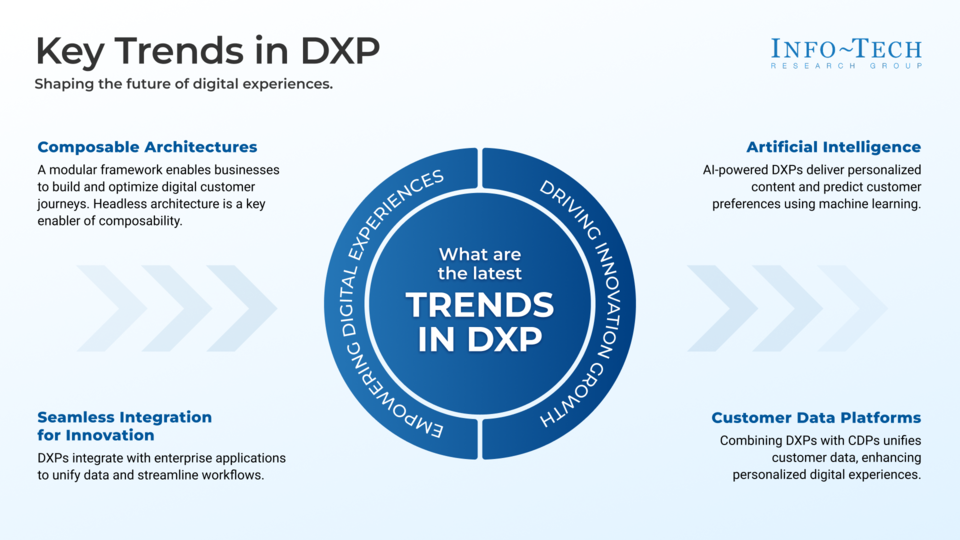
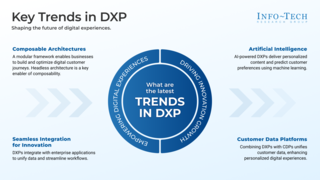
Key trends in DXP
Shaping the future of digital experiences.
What are the latest TRENDS IN DXP
Driving innovation and growth
Artificial intelligence
AI-powered DXPs deliver personalized content and predict customer preferences using machine learning.
Customer data platforms
Combining DXPs with CDPs unifies customer data, enhancing personalized digital experiences.
Empowering digital experiences
Composable architectures
A modular framework enables businesses to build and optimize digital customer journeys. Headless architecture is a key enabler of composability.
Seamless integration for innovation
DXPs integrate with enterprise applications to unify data and streamline workflows.
Key trend
The rise of composable digital experience platforms
Deliver seamless omnichannel experiences with composable DXP architecture. This approach separates the backend from the front end, empowering both developers and marketers to innovate and adapt effortlessly.
A composable DXP is a flexible framework that enables organizations to create, manage, and improve digital customer experiences on a large scale. It brings together different digital tools that work smoothly as one unit.
Unlike traditional monolithic platforms, composable DXPs help you leverage microservices architecture, are built to work with APIs, and adopt a headless approach to separate backend content assets and workflow logic from your front-end channels (website, portal, mobile applications, etc.). This design allows businesses to integrate best-in-class SaaS products as ready-to-use components, called packaged business capabilities (PBCs), for functions like asset management, engagement tools, and presentation editing.
Being cloud-based and highly scalable, composable DXPs let organizations adapt digital content across multiple platforms, manage costs efficiently, handle traffic surges, and foster innovation, offering a customizable ecosystem that links and streamlines various digital solutions.
74% of consumers are inclined to make a purchase based only on digital experience, indicating that it has evolved beyond touchpoints.
Source: Martech360, 2024
73% of businesses are now using headless architecture – a 14% increase since 2021 and almost 40% higher than in 2019.
Source: WP Engine, 2024
92% of survey respondents say that they have implemented a composable solution, and they agree that it is here to stay.
Source: Elastic Path, 2023
Case study
Burberry boosts digital agility and personalization with headless CMS
INDUSTRY: Luxury goods apparel
SOURCE: Contentstack
Challenge | Solution | Results |
|---|---|---|
Burberry, a global luxury fashion brand, faced challenges with its legacy content management system, which was inflexible and struggled to support the brand’s rapidly evolving digital and omnichannel needs. The traditional CMS led to inefficiencies in content updates, making it difficult to maintain consistency across web, mobile, and other digital channels, as well as across multiple languages. These limitations affected their responsiveness to market trends and the delivery of consistent customer experiences. Additionally, the monolithic structure of the CMS created bottlenecks for content teams, further slowing workflows and innovation. | To address these challenges, Burberry adopted a MACH-based strategy (microservices, API-first, cloud-native, and headless) to enhance their personalization technology. As part of this approach, the company implemented Contentstack’s headless CMS, enabling content teams to create and manage content independently from the front-end presentation. This shift allowed for seamless content distribution across multiple digital channels while streamlining workflows for both developers and marketers. By leveraging the flexibility of a headless CMS, Burberry minimized reliance on IT for minor updates and seamlessly integrated with other tools and services. | By implementing Contentstack’s headless CMS, Burberry significantly improved its content management efficiency, reducing the time required to launch new digital experiences. Content updates became 80% faster compared to the previous CMS, enabling timely product releases and marketing campaigns across all digital channels in 11 languages worldwide. The architecture of the headless CMS also improved scalability, allowing Burberry to adapt quickly to market trends and evolving customer expectations. As a result, the company strengthened its digital presence, delivering seamless and engaging customer experiences. |
Key trend
Integrating DXP with other enterprise applications
Integrating DXPs with other systems is reshaping how businesses manage and deliver customer interactions.
Digital experience platforms are increasingly integrating with various enterprise systems to create a seamless and cohesive digital ecosystem. Organizations are continuously connecting DXPs with tools like customer relationship management software, e-commerce platforms, content management systems, project management software, and analytics and business intelligence (BI) solutions to unify customer data, streamline workflows, and enhance operational efficiency. For example, integrating a DXP with a DAM or content editing tools allows content creators to manage, edit, and distribute materials consistently across all channels, ensuring brand alignment and saving time.
Despite its benefits, DXP integration comes with challenges that organizations must address to ensure success. Data security, compliance, and legacy system compatibility are top concerns that many organizations face, especially when integrating multiple systems that handle sensitive customer data. Organizations must adhere to regulations such as GDPR, CCPA, or HIPAA, which can become more complex as data transmits across multiple platforms at once.
Moving forward, the trend of DXP integration will become even more powerful as businesses adopt more tools to enhance their digital ecosystems. The API economy will continue to expand, offering out-of-the-box integration solutions that reduce complexity and accelerate deployment.

Key trend
Artificial intelligence and machine learning
Artificial intelligence is revolutionizing digital experience platforms.
The integration of artificial intelligence into DXPs has become pivotal, transforming how businesses create and deliver customer experiences. AI-powered DXPs analyze vast amounts of customer data to deliver personalized content, product recommendations, and offers. By leveraging machine learning algorithms, they predict customer preferences and behaviors, ensuring that users receive relevant experiences across multiple digital channels. Additionally, DXPs integrate with AI-powered chatbots and virtual assistants to offer real-time customer support and engagement. Notably, 81% of customers prefer companies that provide a personalized experience, underscoring the importance of tailored interactions (Forbes, 2024). Generative AI content can allow marketers to create and deploy new copy and image collateral.
While AI in DXPs offers significant benefits, challenges such as data privacy, algorithm transparency, and ethical AI usage must be addressed. Organizations need robust governance frameworks to ensure AI applications comply with regulations and foster trust with customers. While dynamic content personalization based on generative content is gaining steam, many content marketers still have trepidations about turning the keys over to an algorithm without oversight.
Overall, AI is transforming digital experience platforms by making interactions more efficient, personalized, and engaging for both customers and employees.
42% of enterprise-scaled companies have actively deployed AI within their operations, and an additional 40% are looking to use AI technologies.
Source: IBM, 2024
About Info-Tech
Info-Tech Research Group is the world’s fastest-growing information technology research and advisory company, proudly serving over 30,000 IT professionals.
We produce unbiased and highly relevant research to help CIOs and IT leaders make strategic, timely, and well-informed decisions. We partner closely with IT teams to provide everything they need, from actionable tools to analyst guidance, ensuring they deliver measurable results for their organizations.
What Is a Blueprint?
A blueprint is designed to be a roadmap, containing a methodology and the tools and templates you need to solve your IT problems.
Each blueprint can be accompanied by a Guided Implementation that provides you access to our world-class analysts to help you get through the project.
Need Extra Help?
Speak With An Analyst
Get the help you need in this 3-phase advisory process. You'll receive multiple touchpoints with our researchers, all included in your membership.
Guided Implementation 1: Understand the DXP Landscape and Trends
- Call 1: Understand the concept of a DXP; explore its core capabilities and emerging trends.
Guided Implementation 2: Build the Business Case and Streamline Requirements
- Call 1: Build the business case to select a DXP.
- Call 2: Define your key DXP requirements.
- Call 3: Build procurement items, such as an RFP.
Guided Implementation 3: Select the Right Digital Experience Platform Vendor
- Call 1: Evaluate the DXP vendor landscape and shortlist viable options.
- Call 2: Review implementation considerations.
 Marketing Management Suite Software Selection Guide
 Build IT Capabilities to Enable Digital Marketing Success
 Develop Your Web Experience Management Strategy
 Optimize Lead Generation With Lead Scoring
 Create a Buyer Persona and Journey
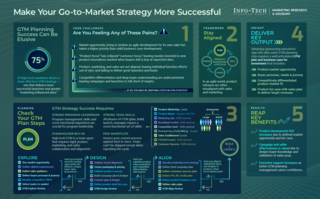 Build a More Effective Go-to-Market Strategy
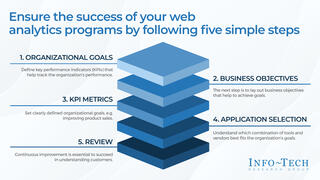 Leverage Web Analytics to Reinforce Your Web Experience Management Strategy
 2020 Applications Priorities Report
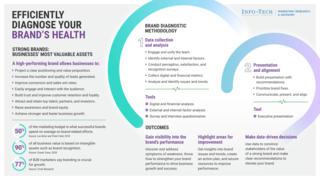 Diagnose Brand Health to Improve Business Growth
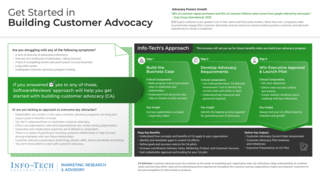 Get Started With Customer Advocacy
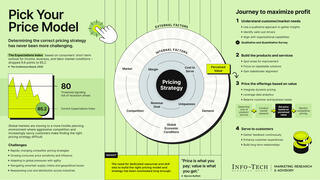 Pick Your Price Model
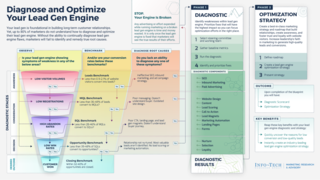 Diagnose and Optimize Your Lead Gen Engine
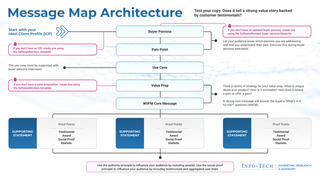 Develop the Right Message to Engage Buyers
 Identify the Customer Satisfaction Metrics That Matter
 Create an Effective SEO Strategy
 Accelerate Business Growth and Valuation by Building Brand Awareness
 Social Media Management Software Selection Guide
 Build a More Effective Brand Architecture
 Build Competitive Intelligence for Market Success
 Create Assets to Accelerate the Buyer Journey
 Build Investor Awareness to Secure Next-Round Financing
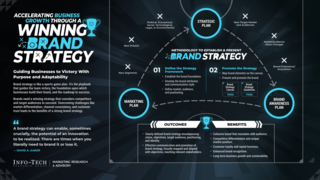 Brand Strategy: Establish and Cultivate a Flourishing Brand
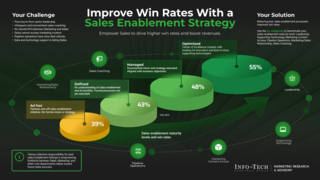 Improve Win Rates With a Sales Enablement Strategy
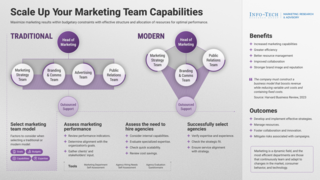 Scale Your Marketing Department
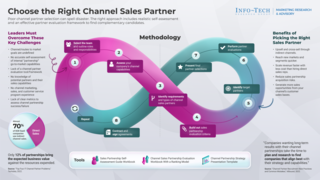 Choose the Right Channel Sales Partner
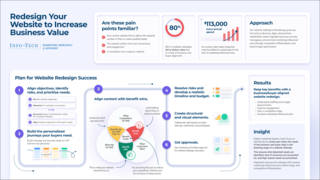 Redesign Your Website to Increase Business Value
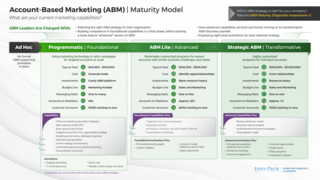 Build Your Account-Based Marketing Strategy
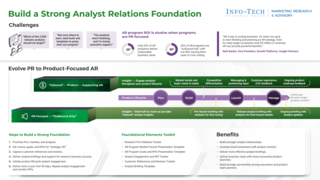 Build a Strong Analyst Relations Foundation
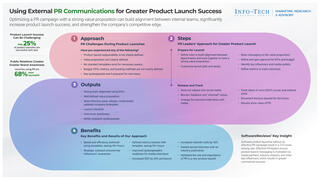 Improve External PR Communications for Greater Product Launch Success
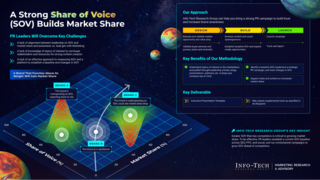 Turn Share of Voice Growth Into a Strategic Weapon
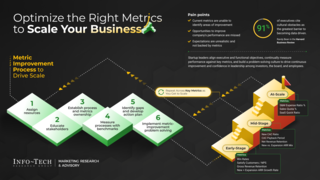 Optimize the Right Metrics to Scale Your Business
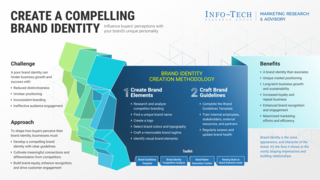 Leave a Lasting Impression With a Compelling Brand Identity
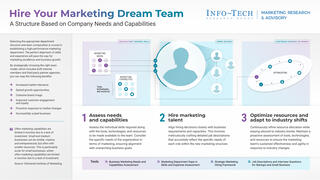 Hire Your Marketing Dream Team
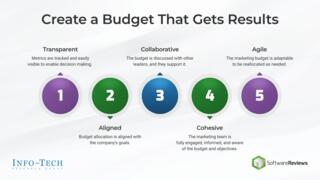 Match Your Budget to Your Market Position
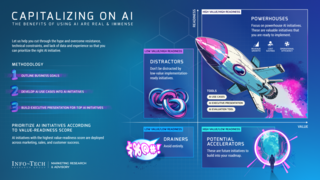 Capitalizing on AI
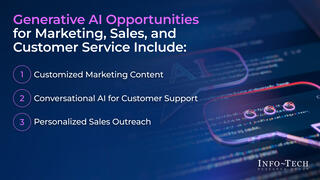 Generative AI Use Cases for Marketing, Sales, and Customer Service
 The AI Advantage for Smarter Marketing – A Primer
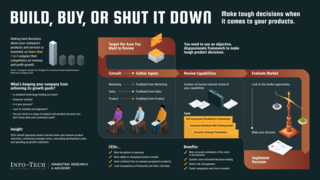 Build, Buy, or Shut It Down
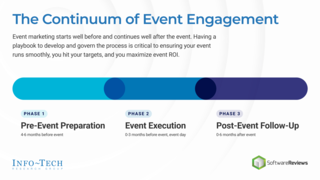 Event Activation Playbook
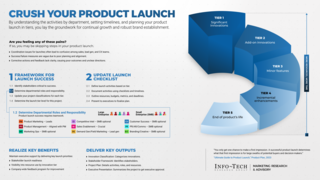 Crush Your Product Launch
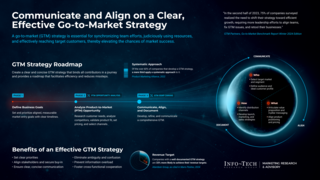 Go-to-Market Strategy on a Page
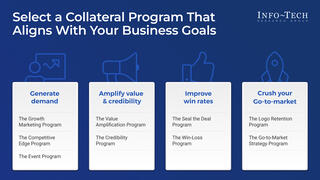 Maximize ROI on Sales and Marketing Collateral
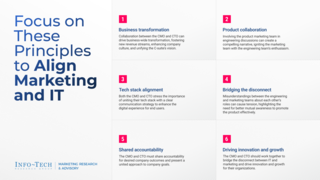 From Silos to Synergy: Create Marketing and IT Alignment
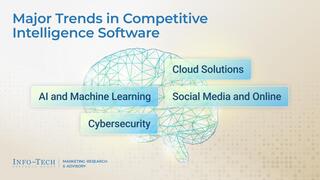 Competitive Intelligence Software Selection Guide
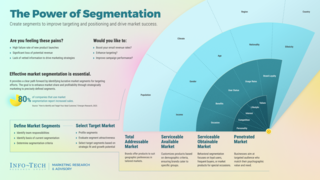 The Power of Segmentation
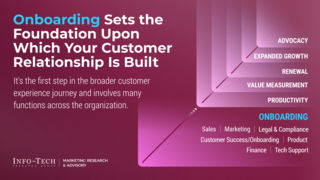 Revolutionize Your Customer Onboarding
 Search Engine Optimization Software Selection Guide
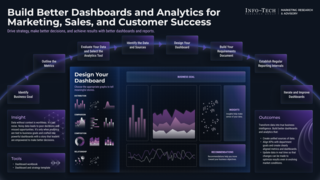 Build Better Dashboards Across Marketing, Sales, and Customer Success
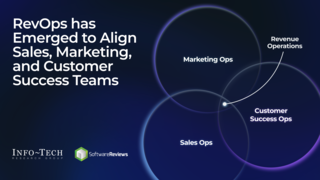 Make the Case for RevOps
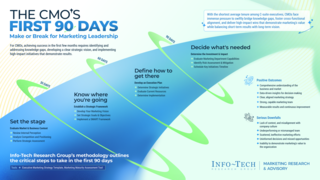 The First 90 Days as a CMO
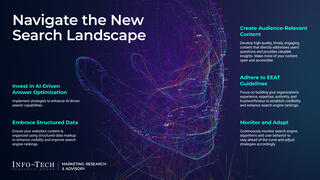 Stay Relevant in the Era of AI-Powered Search
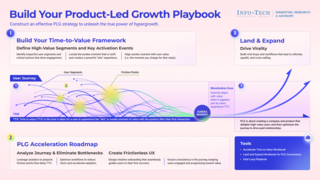 Build Your Product-Led Growth Playbook
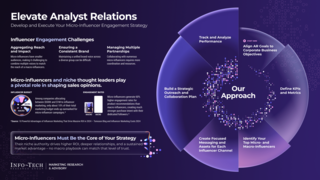 Elevate Analyst Relations
 Level Up Your Social Media Game
 The Omnichannel Playbook
 Digital Experience Platform Selection Guide
 Software Buyer Insights 2025
 Optimize Your CX Strategy
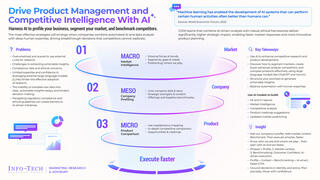 Drive Product & Market Planning With AI
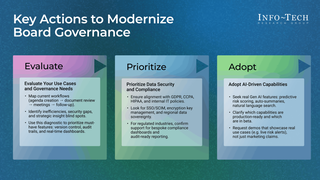 Board Management Software Selection Guide
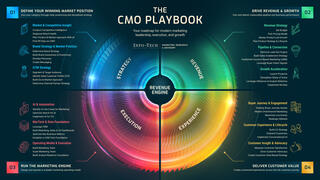 The CMO Playbook
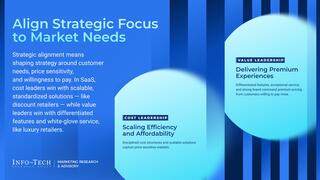 Position Your Brand Strategically as a Cost or Value Leader
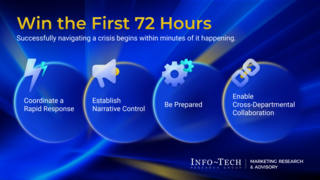 The Crisis Management Playbook
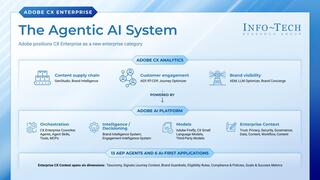 Vendor Spotlight: Adobe CX Enterprise
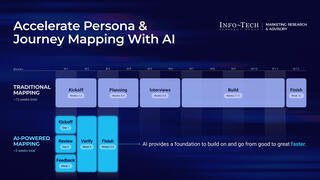 Accelerate Persona & Journey Mapping With AI
