
Build Security Services for Business Value
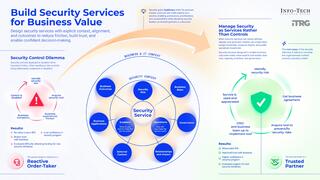
Design security services with explicit context, alignment, and outcomes to reduce friction, build trust, and enable confident decision-making.
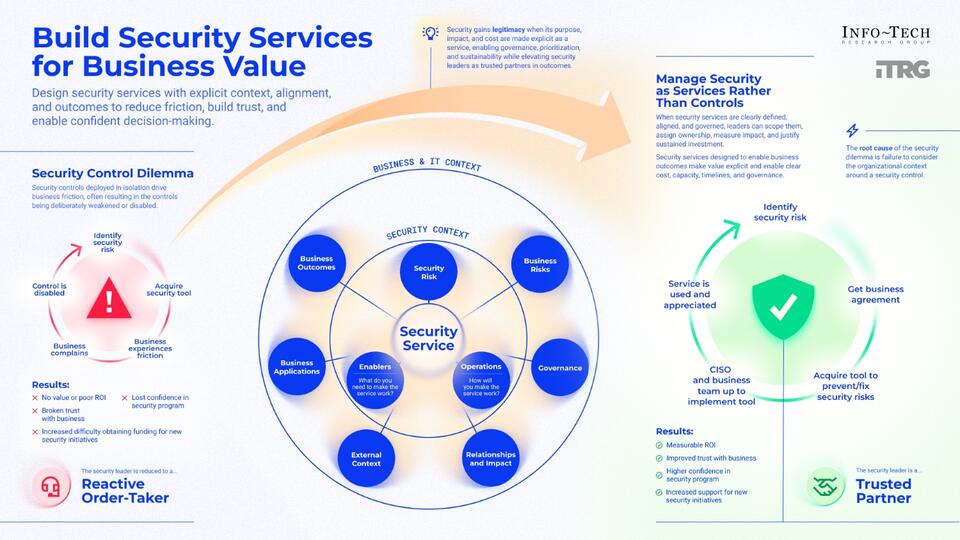
Security leaders often respond to emerging threats by implementing tools or controls without fully understanding the context in which they must operate. As a result, those tools may fail to support the organizational outcomes they are meant to enable. When security is treated as a set of controls to be imposed – rather than services to be designed – IT leaders often struggle to explain its value, justify its cost, or gain support because those controls were never designed to work with how the organization delivers outcomes. Our research provides a structured approach that supports a fundamental shift in how security is viewed and implemented. Use this step-by-step framework to define, align, and operationalize security services within business services to support organizational outcomes.
Too often, security is added to services rather than designed as part of them. Controls introduced without a deep understanding of the business can create friction, slow delivery, and force workarounds. Our research shows that security controls account for up to 56% of operational friction. Over time, this sustained friction erodes trust, makes funding difficult to defend, and can reduce the security leader role to that of a reactive order-taker.
1. Understand your service’s value and purpose.
Security gains legitimacy when its purpose, impact, and cost are made explicit as a service rather than a control. This enables governance, prioritization, and sustainability while elevating security leaders as trusted partners. When security decisions are grounded in shared context, leaders can clearly see what they are being asked to support, why it matters, and what trade-offs are involved.
2. Support organizational outcomes with design.
Security services are much more than isolated controls. They are supporting services, embedded within business services, that enable organizational outcomes. Integrated security services that facilitate organizational outcomes remain usable, beneficial, and willingly adopted.
3. Promote and champion your service’s benefits and needs.
Business leaders support what they understand. Communicate and market clear work, risks, needs, and costs so leaders can confidently prioritize and fund your security service. When the story resonates, services get prioritized, funded, and used as intended.
Use this step-by-step blueprint to design security services aligned to business outcomes.
Our research offers a step-by-step framework, along with practical templates and tools including a comprehensive workbook, communication template, and roadmap tool, to help you design security services with clear context, alignment, and outcomes. Use our phased approach to:
- Define service context to clarify purpose, scope, stakeholders, dependencies, risks, and organizational value.
- Align security with business services to show how security fits into workflows, reduces friction, and supports outcomes.
- Articulate shared success by defining measurable outcomes for both security and the organization.
- Translate service insight into a fundable, governable plan that produces clear narratives, cost estimates, resource requirements, and benefits aligned with decision-maker expectations.
Member Testimonials
After each Info-Tech experience, we ask our members to quantify the real-time savings, monetary impact, and project improvements our research helped them achieve. See our top member experiences for this blueprint and what our clients have to say.
10.0/10
Overall Impact
4
Average Days Saved
Client
Experience
Impact
$ Saved
Days Saved
Arkansas Research and Education Optical Network
Guided Implementation
10/10
N/A
4
About Info-Tech
Info-Tech Research Group is the world’s fastest-growing information technology research and advisory company, proudly serving over 30,000 IT professionals.
We produce unbiased and highly relevant research to help CIOs and IT leaders make strategic, timely, and well-informed decisions. We partner closely with IT teams to provide everything they need, from actionable tools to analyst guidance, ensuring they deliver measurable results for their organizations.
What Is a Blueprint?
A blueprint is designed to be a roadmap, containing a methodology and the tools and templates you need to solve your IT problems.
Each blueprint can be accompanied by a Guided Implementation that provides you access to our world-class analysts to help you get through the project.
You Get:
- Build Security Services for Business Value Deck
- Security Service Workbook
- Security Service Communication Template
Talk to an Analyst
Our analyst calls are focused on helping our members use the research we produce, and our experts will guide you to successful project completion.
Book an Analyst Call on This Topic
You can start as early as tomorrow morning. Our analysts will explain the process during your first call.
Get Advice From a Subject Matter Expert
Each call will focus on explaining the material and helping you to plan your project, interpret and analyze the results of each project step, and set the direction for your next project step.
Unlock Sample ResearchContributors
- Greg Atkinson, Senior Manager, Cyber Security Systems, McMaster University
- Tracy Dallaire, Deputy Chief Technology Officer and Director, Digital Experience, McMaster University
- Doug Jaworski, CISO
 Design and Implement a Business-Aligned Security Program
 Build an Information Security Strategy
 Secure Operations in High-Risk Jurisdictions
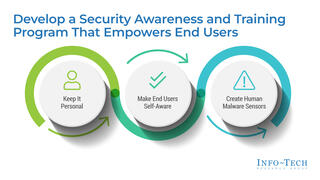 Develop a Security Awareness and Training Program That Empowers End Users
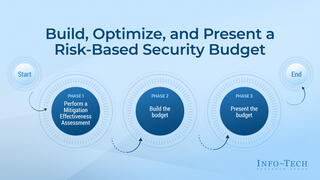 Build, Optimize, and Present a Risk-Based Security Budget
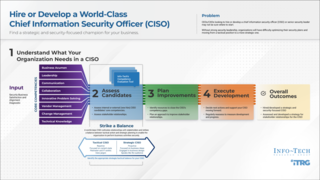 Hire or Develop a World-Class CISO
 Fast Track Your GDPR Compliance Efforts
 Build a Cloud Security Strategy
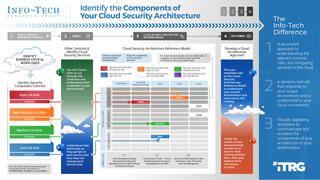 Identify the Components of Your Cloud Security Architecture
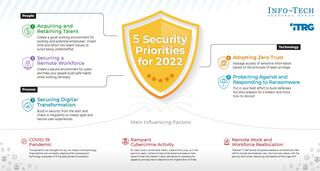 Security Priorities 2022
 2020 Security Priorities Report
 Manage Third-Party Service Security Outsourcing
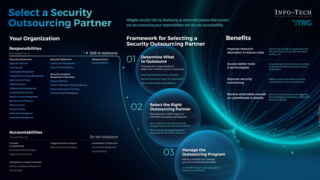 Select a Security Outsourcing Partner
 Improve Security Governance With a Security Steering Committee
 The First 100 Days as CISO
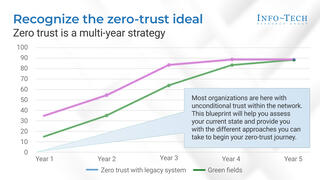 Determine Your Zero Trust Readiness
 Cost-Optimize Your Security Budget
 Threat Preparedness Using MITRE ATT&CK®
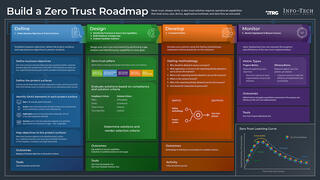 Build a Zero Trust Roadmap
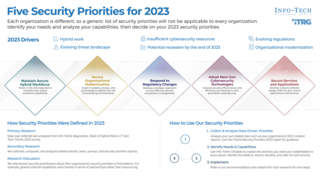 Security Priorities 2023
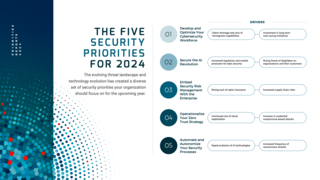 Security Priorities 2024
 Grow Your Own Cybersecurity Team
 Security Priorities 2025
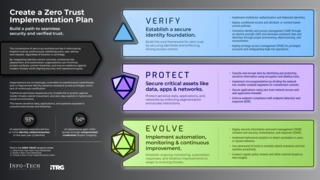 Create a Zero Trust Implementation Plan
 Run IT By the Numbers
 Transform IT, Transform Everything
 The Race to Develop Talent
 Assessing the AI Ecosystem
 Bring AI Out of the Shadows
 IT Spend and Staffing Benchmarking
 The Security Playbook
 Security Priorities 2026
 Build Security Services for Business Value