
Define Your Target AI Infrastructure
Start with the workload, not the technology.
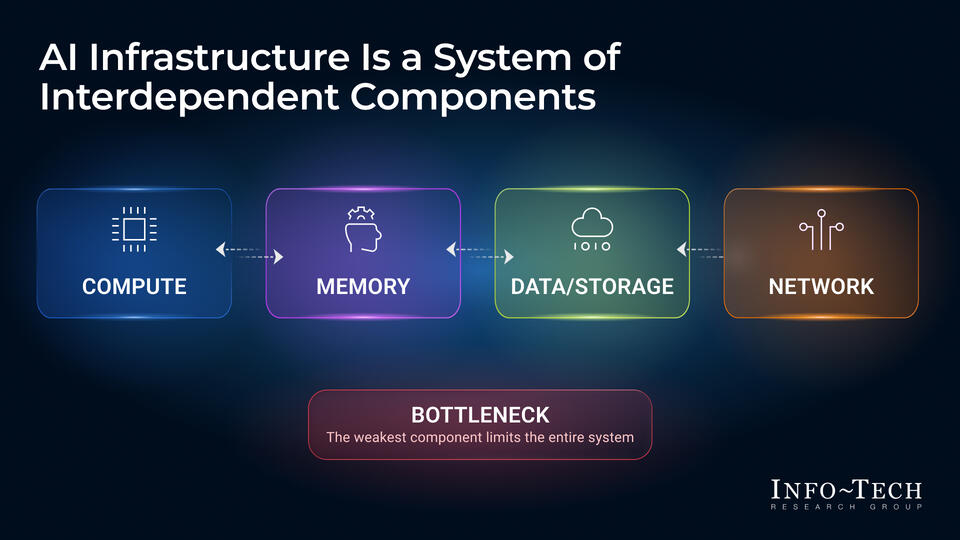
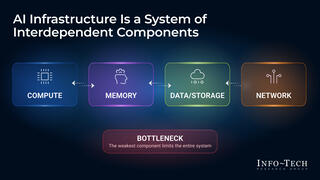
AI infrastructure is a system of interdependent components. While adding more compute produces temporary gains, hidden constraints generate diminishing returns: lower utilization, poor scalability, and higher cost. The most successful AI environments measure how effectively infrastructure resources are used to deliver business value. Approach AI infrastructure as a balanced systems design challenge rather than a hardware acquisition exercise.
1. Balanced infrastructure matters.
AI infrastructure performance is not determined by how much compute is deployed; it’s determined by how effectively compute, memory, storage, networking, and physical infrastructure operate as a balanced system that maximizes utilization, minimizes risk, and supports scalable AI growth.
2. Utilization drives value.
AI infrastructure value is determined by utilization rather than capacity. Organizations that optimize scheduling, data movement, resource allocation, and workload alignment achieve better performance and lower costs than those that simply deploy additional hardware.
3. Workloads shape architecture.
Training, inference, retrieval-augmented generation (RAG), agentic AI, and edge AI workloads place different demands on compute, memory, storage, and networking. Successful AI infrastructure strategies align architecture decisions to workload requirements rather than standardizing on a single technology approach.
Use this framework to maximize utilization and convert infrastructure investments into measurable business value.
Our detailed methodology, complemented by a practical supporting tool, helps translate AI infrastructure strategy into actionable architecture, sourcing, and investment decisions. Use this step-by-step framework to:
- Assess workload characteristics and AI demand patterns.
- Align processor and infrastructure strategy to workload needs.
- Identify constraints across compute, memory, storage, network, and physical infrastructure.
- Design balanced architectures that optimize utilization and scalability.
- Establish operational strategies to manage cost, performance, and infrastructure risk.
About Info-Tech
Info-Tech Research Group is the world’s fastest-growing information technology research and advisory company, proudly serving over 30,000 IT professionals.
We produce unbiased and highly relevant research to help CIOs and IT leaders make strategic, timely, and well-informed decisions. We partner closely with IT teams to provide everything they need, from actionable tools to analyst guidance, ensuring they deliver measurable results for their organizations.
What Is a Blueprint?
A blueprint is designed to be a roadmap, containing a methodology and the tools and templates you need to solve your IT problems.
Each blueprint can be accompanied by a Guided Implementation that provides you access to our world-class analysts to help you get through the project.
You Get:
- Define Your Target AI Infrastructure Storyboard
- AI Infrastructure Reference Architecture Workbook
Talk to an Analyst
Our analyst calls are focused on helping our members use the research we produce, and our experts will guide you to successful project completion.
Book an Analyst Call on This Topic
You can start as early as tomorrow morning. Our analysts will explain the process during your first call.
Get Advice From a Subject Matter Expert
Each call will focus on explaining the material and helping you to plan your project, interpret and analyze the results of each project step, and set the direction for your next project step.
Unlock Sample Research Assess Infrastructure Readiness for Digital Transformation
 Build a Strategic Infrastructure Roadmap
 Map Technical Skills for a Changing Infrastructure & Operations Organization
 Take Control of Cloud Costs on AWS
 Take Control of Cloud Costs on Microsoft Azure
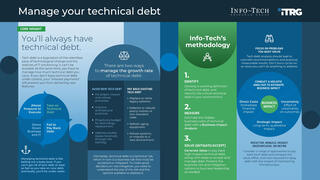 Manage Your Technical Debt
 Choose a Right-Sized Contact Center Solution
 Prepare for Cognitive Service Management
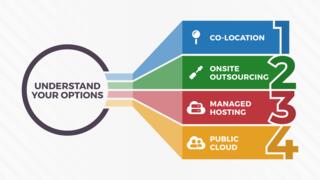 IBM i Migration Considerations
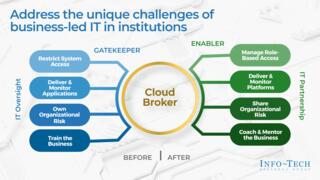 Adding the Right Value: Building Cloud Brokerages That Enable
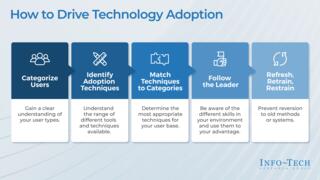 Drive Technology Adoption
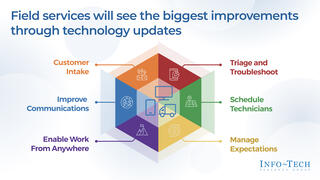 Transform Your Field Technical Support Services
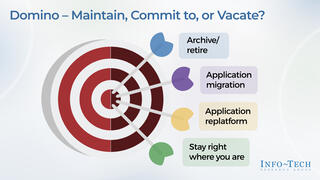 Domino – Maintain, Commit to, or Vacate?
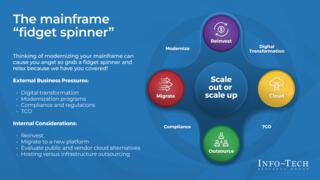 z/Series Modernization and Migration
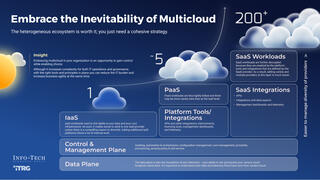 Embrace the Inevitability of Multicloud
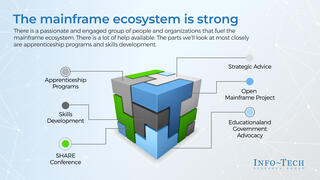 Skills Development on the Mainframe Platform
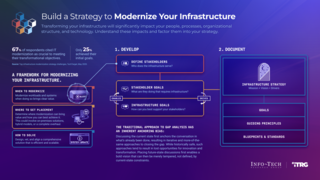 Build a Strategy to Modernize Your Infrastructure
 Run IT By the Numbers
 Transform IT, Transform Everything
 Sync or Sink: Aligning IT and HR for the Future of Work
 The AI Vendor Landscape in IT
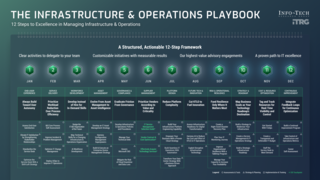 The Infrastructure and Operations Playbook
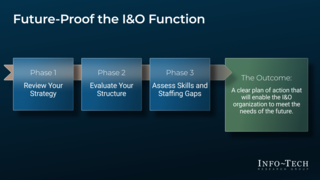 Design the IT Infrastructure & Operations Organization of the Future
 Define Your Target AI Infrastructure
